About Us
Mitákuye Oyás’iŋ • “We Are All One”
traditional Lakota phrase
Our History
What We Do
-
We are committed to preserving, restoring, and telling the story of the pre-contact people that once lived along Line Creek.
Together, we grow with generosity and humility, while working to renew interest in the Hopewell village site.
-
Our educational programming and guest speaker events bring native traditions to life.
We learn about balance and harmony, aware that plants and animals are living beings with whom we coexist and should treat with respect.
-
Our garden represents the connections between nature, the earth, and all people – past, present, future – and the life surrounding us, on which each of us depends.
Many members are actively involved in their respective local and tribal communities, and beyond.
Thidaware Indigenous Americans Association preserves and promotes the sacred archeological and historical sites in the Line Creek Valley of Missouri, and honors America’s indigenous heritage, sharing their enduring stories and contributions to our society. Through education, cultural programming, and community partnerships, we foster respect, understanding, and stewardship for future generations.
As we suffer a loss of balance on our planet, we hope to bring awareness to the relationship between people and our earth. We grow to share our garden’s bounty, and to provide an opportunity for volunteerism to thrive in a healthy environment, working outdoors as neighbors and friends.
Frequent Questions
-
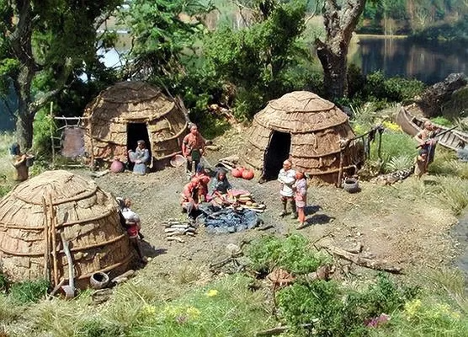
From 100 BC – 700 AD, the Kansas City region was dotted with Hopewell villages. Although early European settlers plowed many such sites, two at Line Creek survived. A museum opened in 1974 to preserve what remained, led by figures like Frank Vaydik. After it was torn down in 1999, a garden was built to honor its legacy.
-
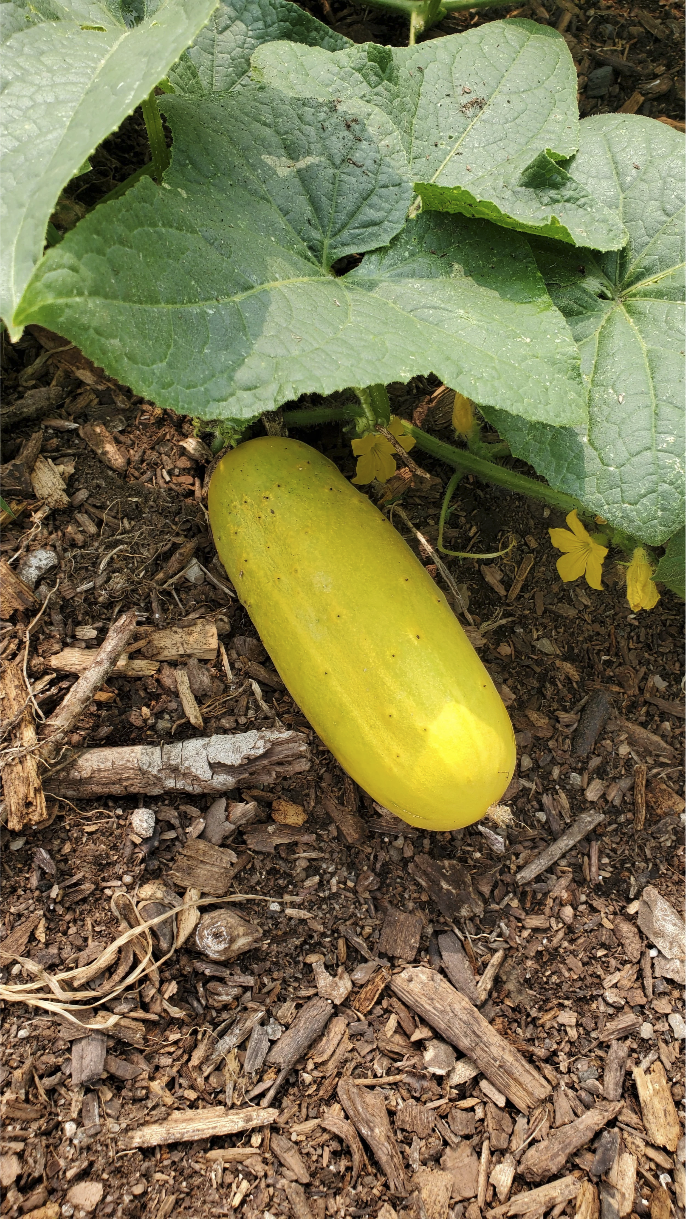
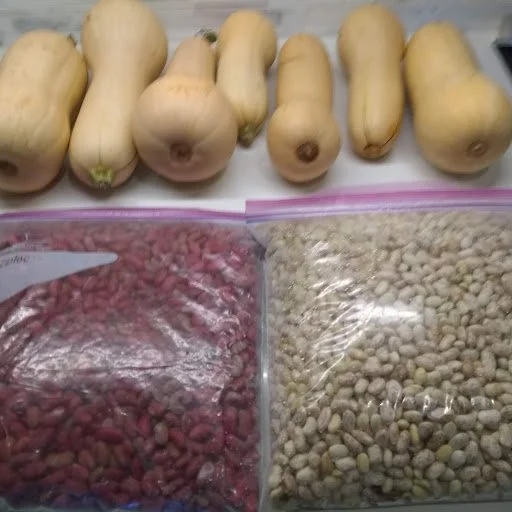
Each year, we donate a considerable amount of fresh produce through Harvesters Community Food Network, the Kansas City Indian Center, and Mimi’s Pantry.
Curious passers-by and regular volunteers alike are also encouraged to help themselves to fresh produce during harvest season, taking home what is grown to enjoy at our own tables.
-
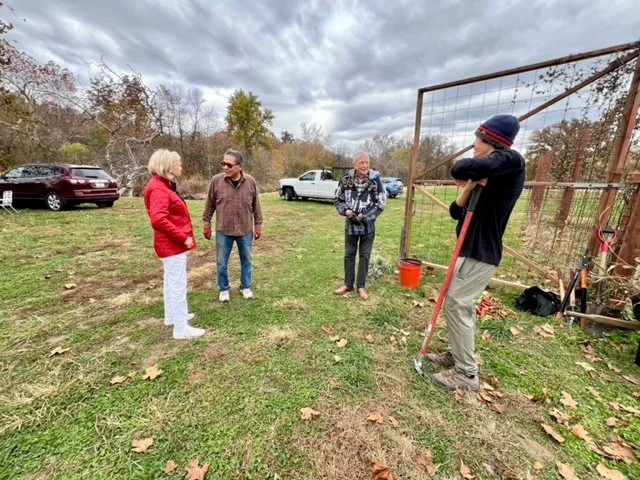
Our garden is maintained by a small group of generous and committed individuals. In the height and heat of summer, as few as two or three volunteers visit the garden, twice or three times every week, to weed, water, harvest, and inspect for pests.
Every spring and fall, the whole community gathers for planting and cleanup events. This is followed by a potluck lunch, prepared using produce grown in our garden.