Indigenous Foods of the Americas
“America does not seem to remember that it derived its wealth, its values, its food, much of its medicine, and a large part of its dream from Native Americans.”
Today, 75% of the world’s food is generated from only 12 plants and 5 animals. Since the 1900s, 75% of crop and livestock biodiversity has been lost as farmers abandon traditional and local foods to more popular, higher-yielding crops. As more and more land is claimed by agriculture to support an ever-increasing population, forest cover, coastal and river wetlands, and the aquatic environments exacerbate what is referred to by ecologists as “genetic erosion”.
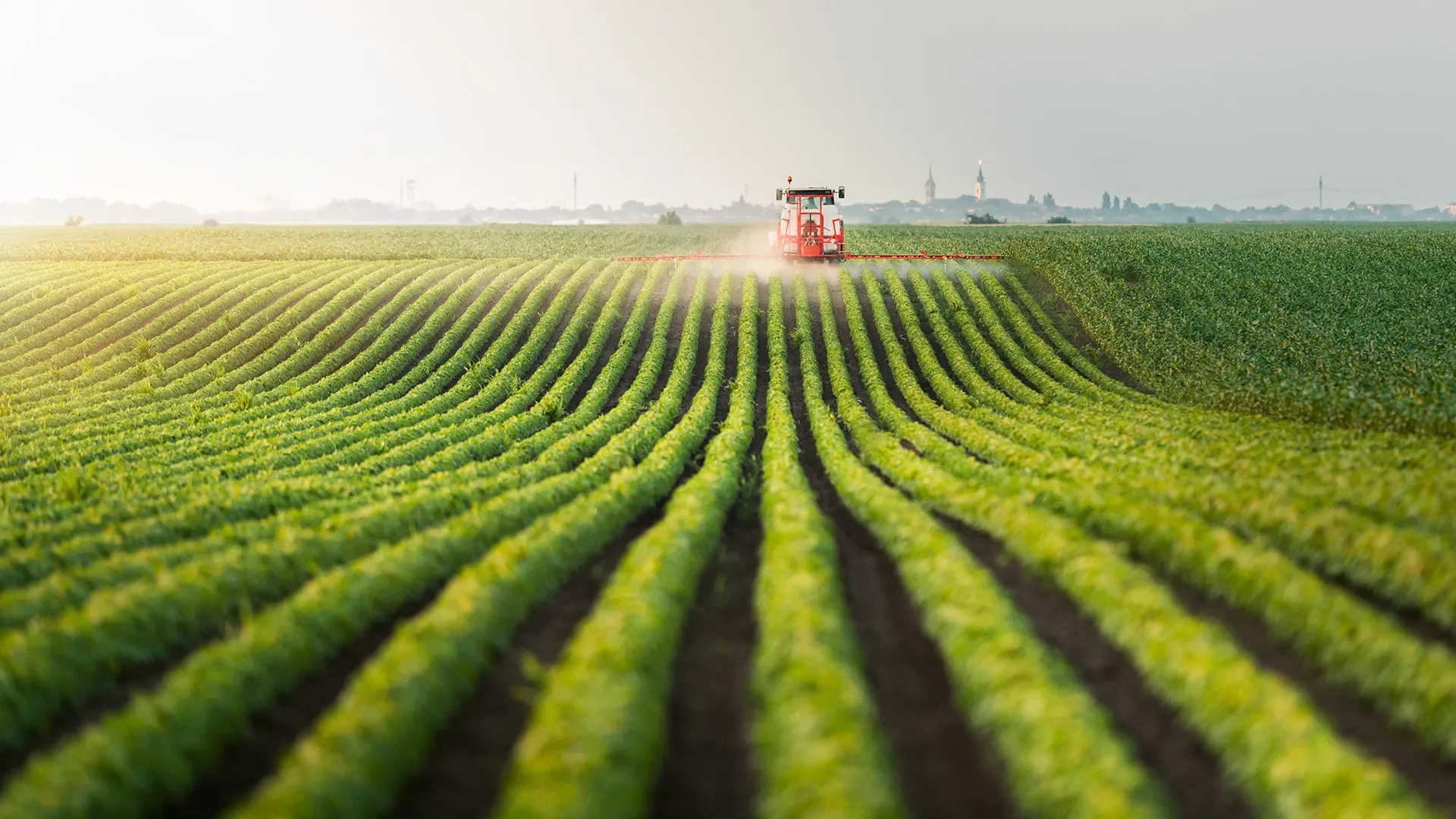
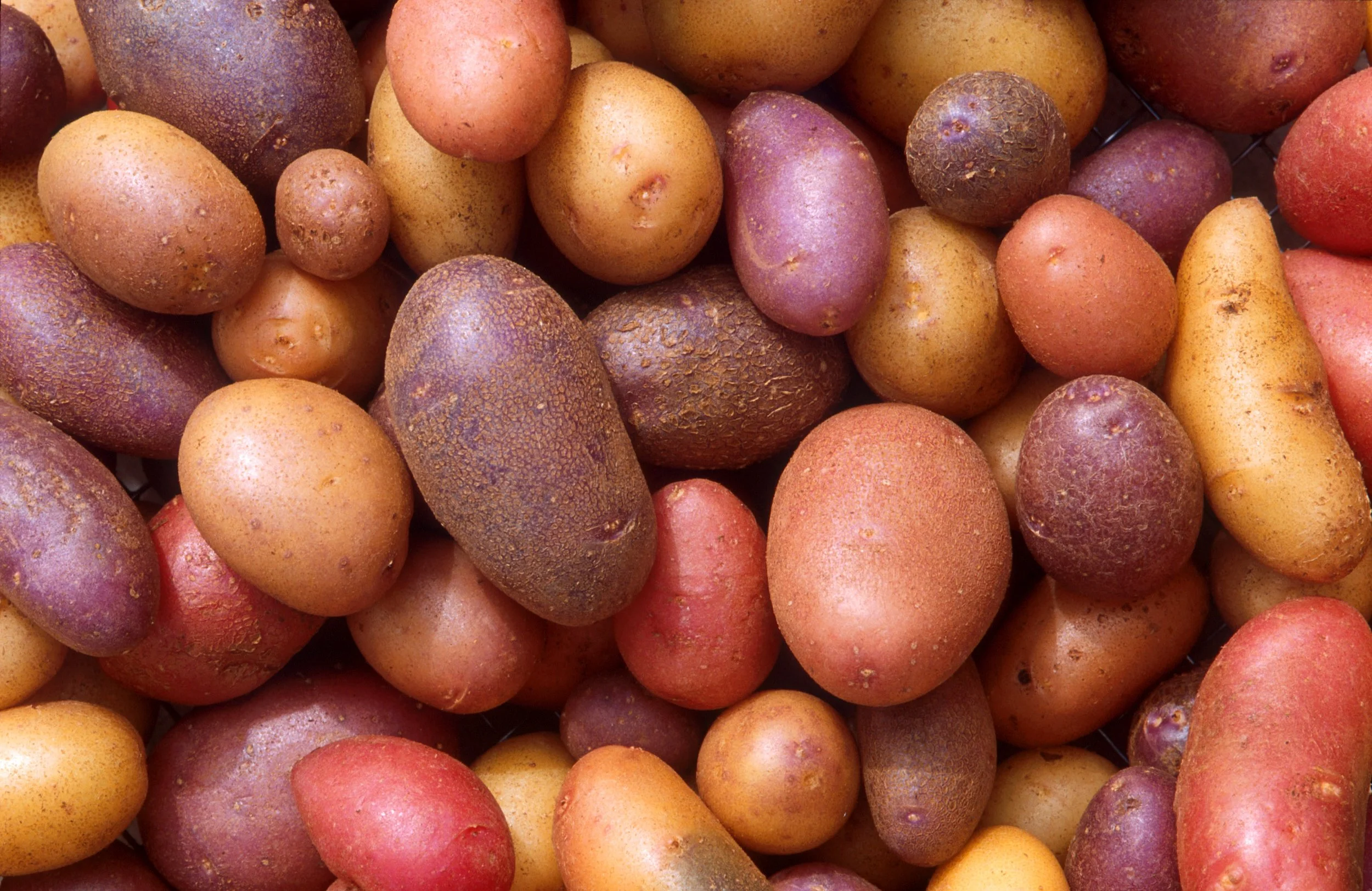
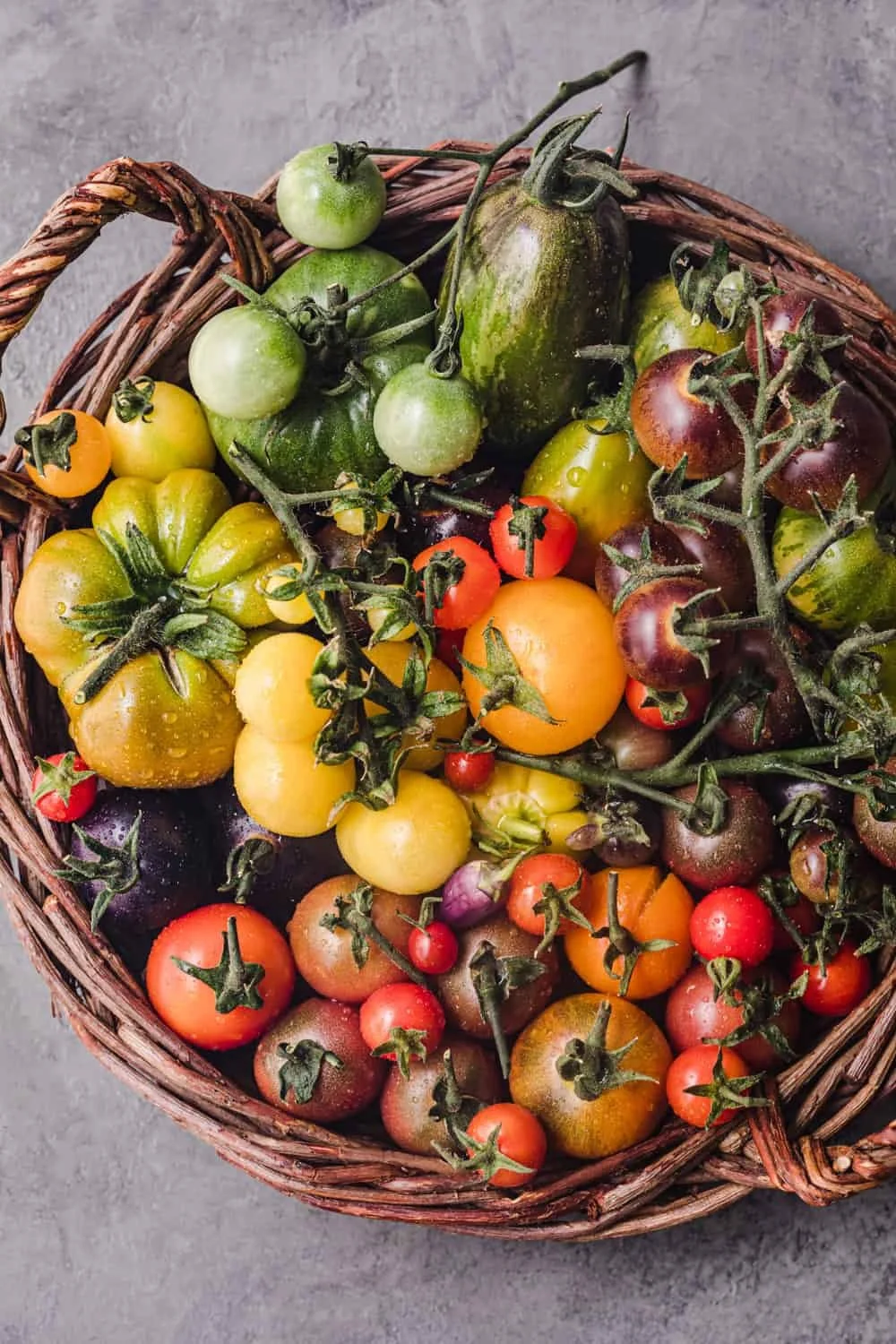
Yet Native Americans were wise farmers who knew the importance of diversity, natural fertilizers, seed saving, and selection. Over 60% of the world’s food supply was originally cultivated in the Americas. Two plants bred carefully for thousands of years in Central and South America—tomatoes and potatoes—are now grown in more places than any other crop. Many popular foods first originated as crops grown by Native Americans: tomato sauce, gumbo, turkey, grits, corn bread, sweet potato casserole, chicken & dumplings, salsa, cranberry sauce, hominy, fajitas, succotash, hush puppies, pecan pie, popcorn, jerky, ceviche, root beer, pink lemonade—and much, much more. Thousands of plants once considered food sources throughout the Americas have fallen out of knowledge—but many still thrive!
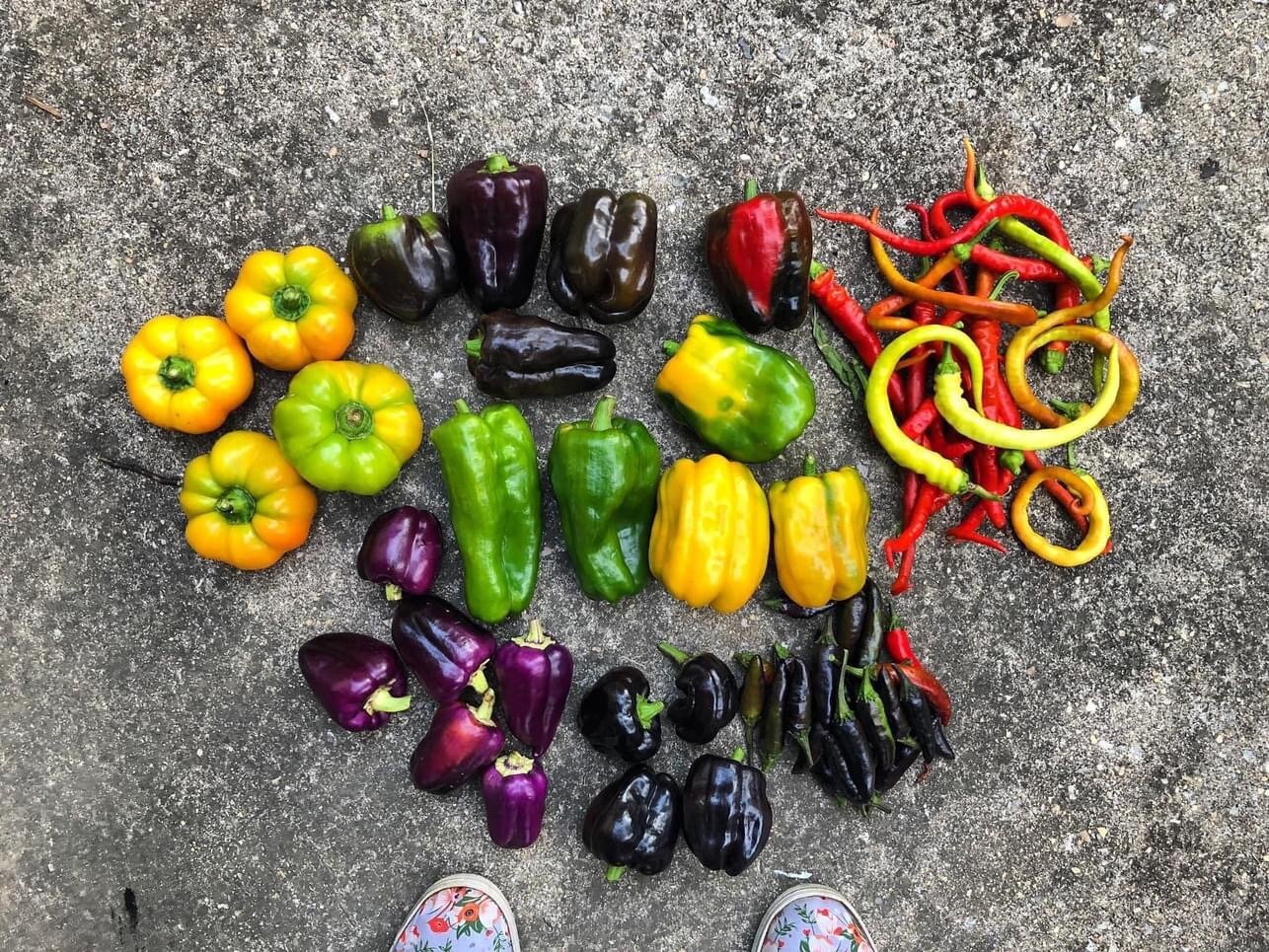
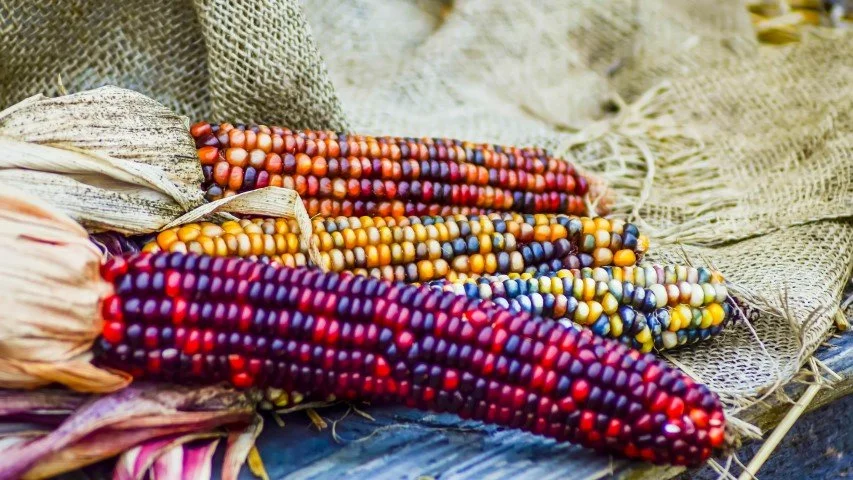
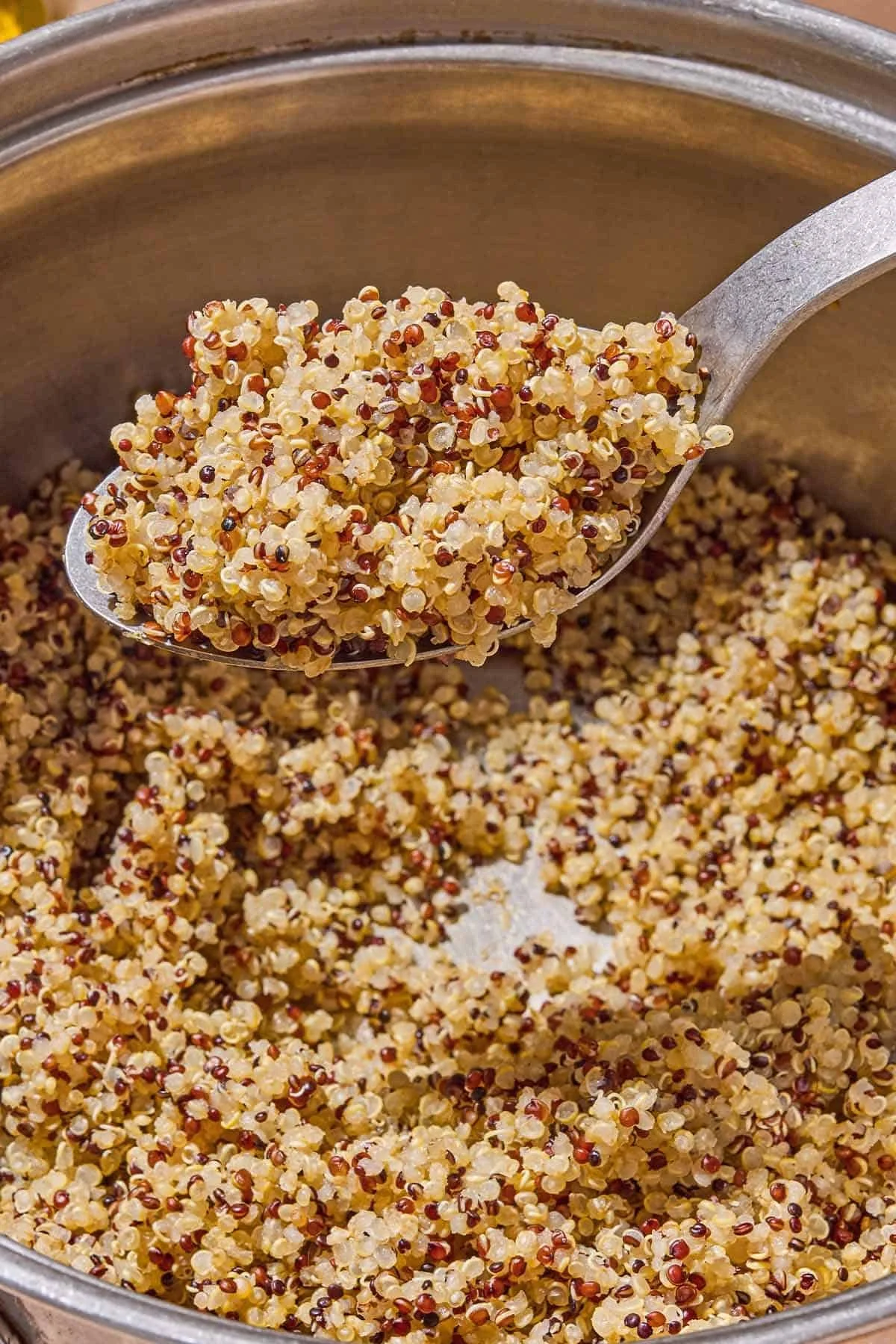
Quinoa and amaranth, modern foodie obsessions, were once a key staple crop for millions of people in North and Central America—including right here in present-day Kansas City. Traditional maize, healthier and heartier than modern sweet corn, is still cultivated across Latin America. Peru, the heart of the Inka empire, boasts more than 4,000 unique varieties of potato. The Aztecs once referred to maize as “our flesh, our bones”, and seasoned their food so often with chili peppers that their version of fasting was to abstain from the spice!
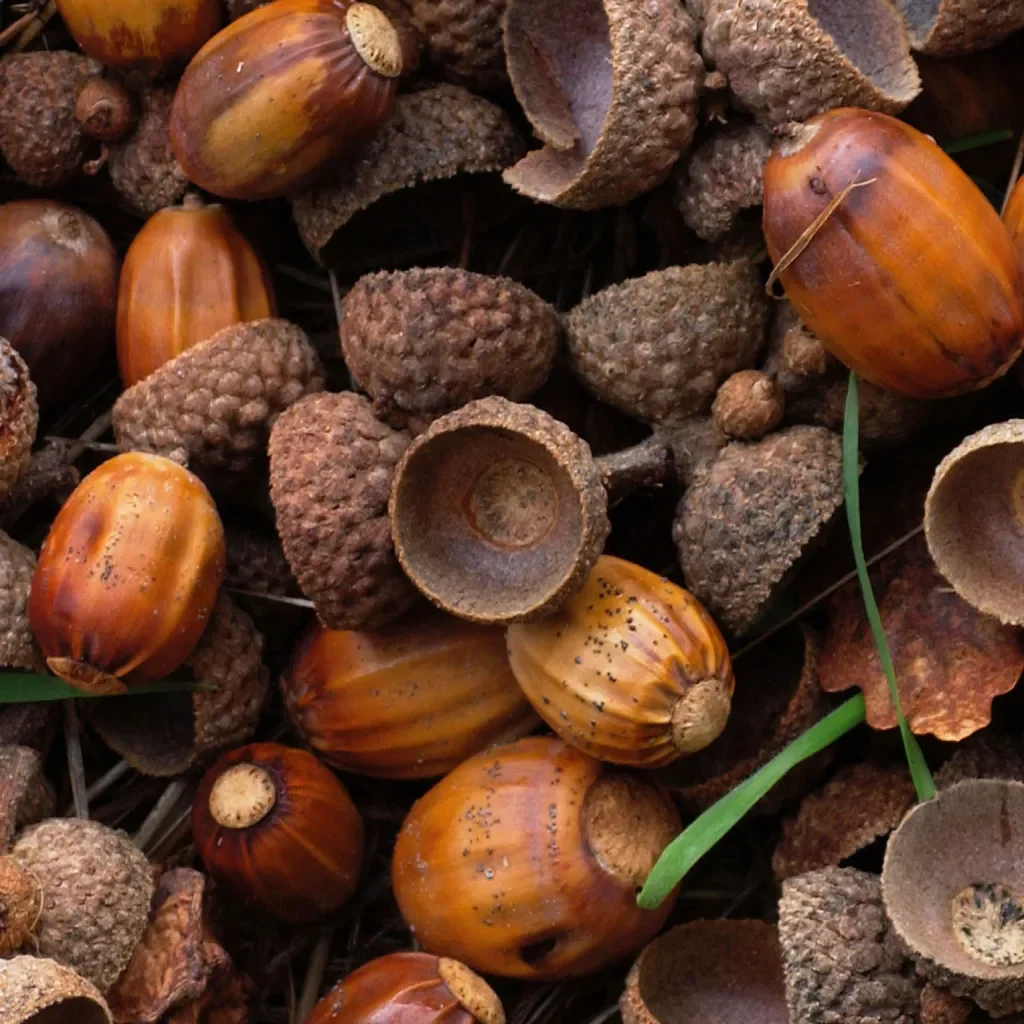
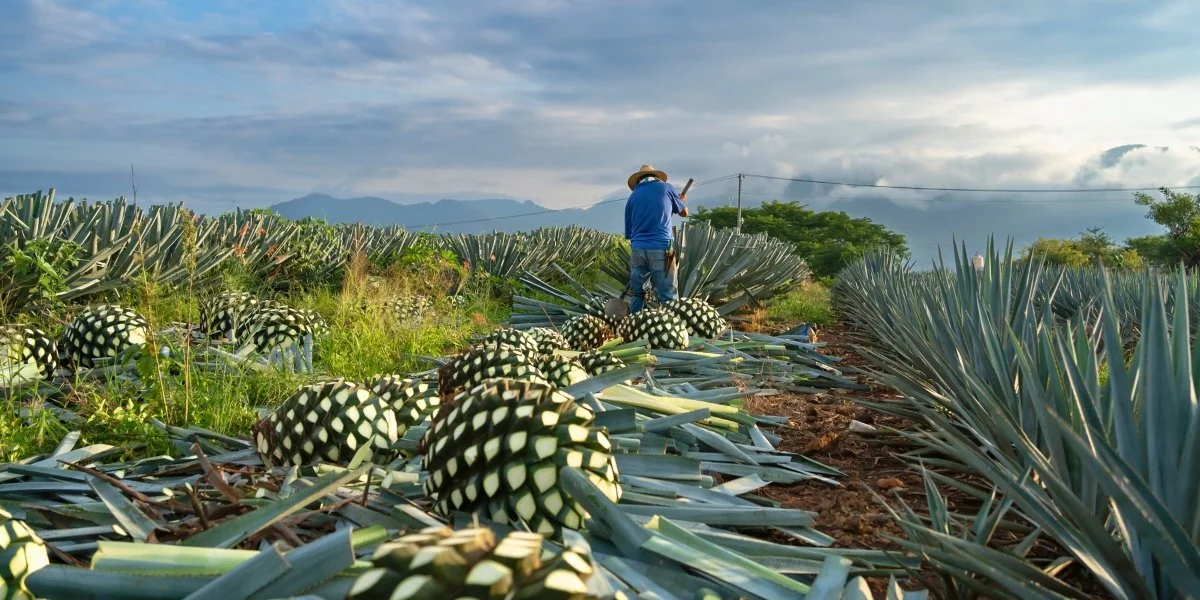
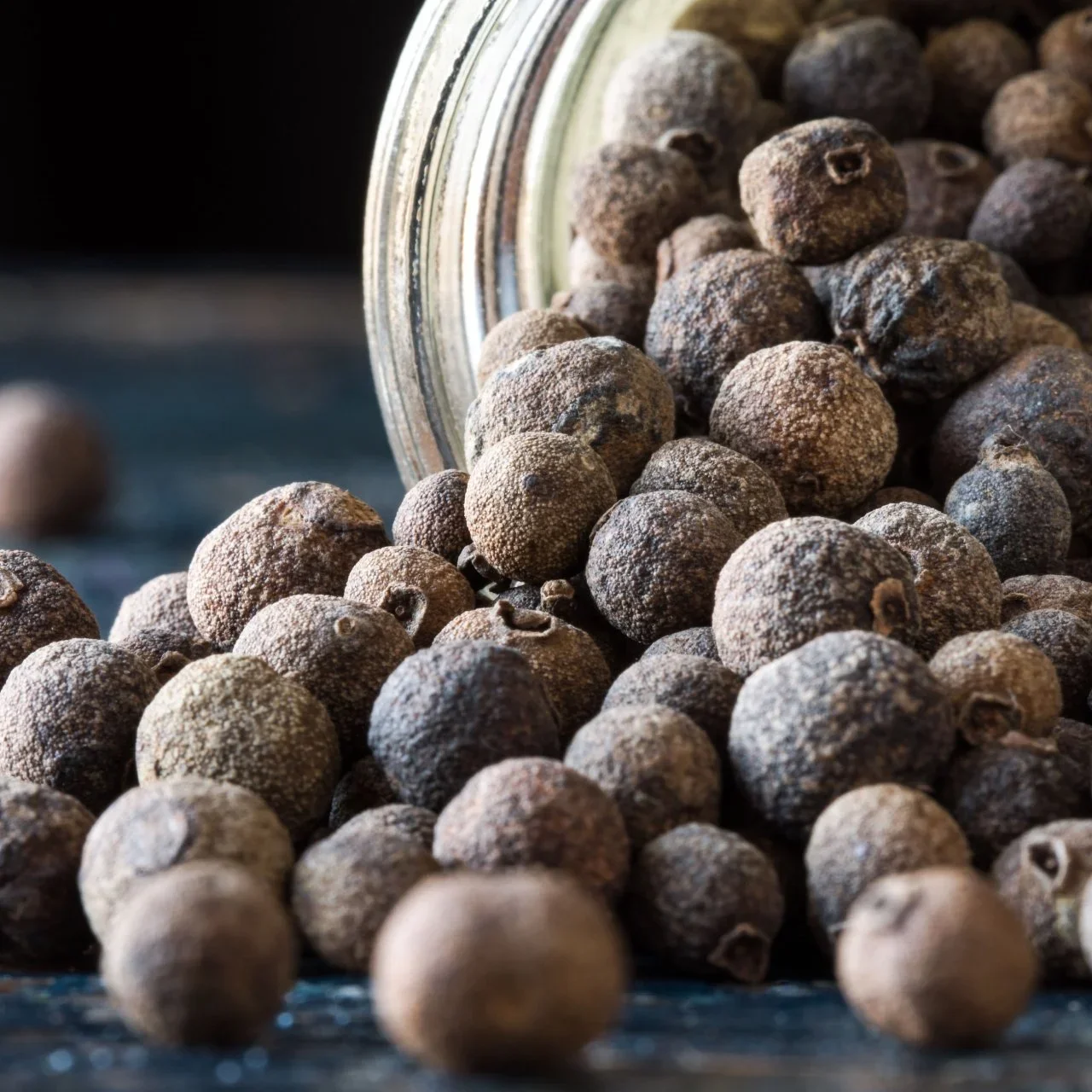
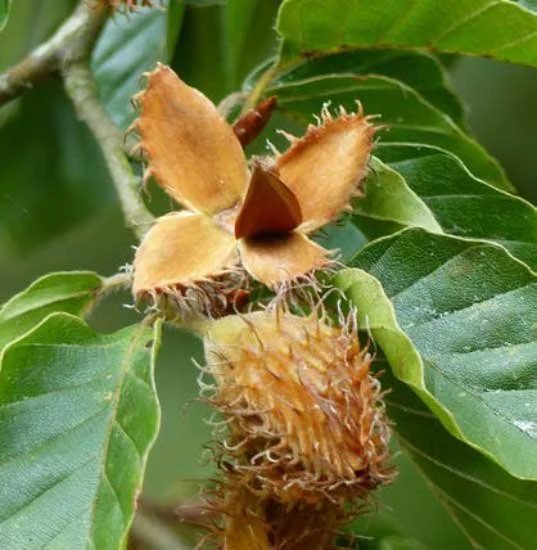
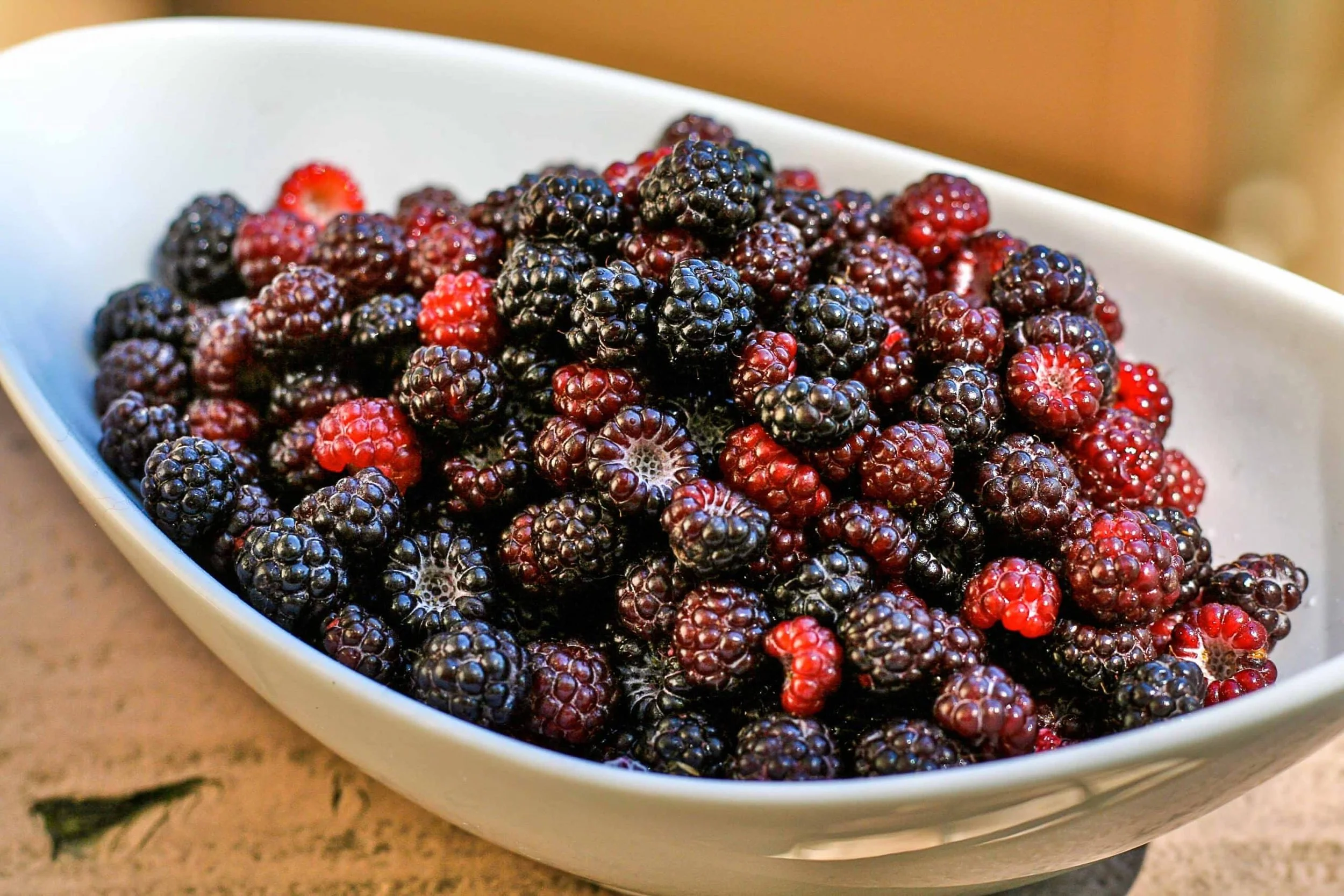
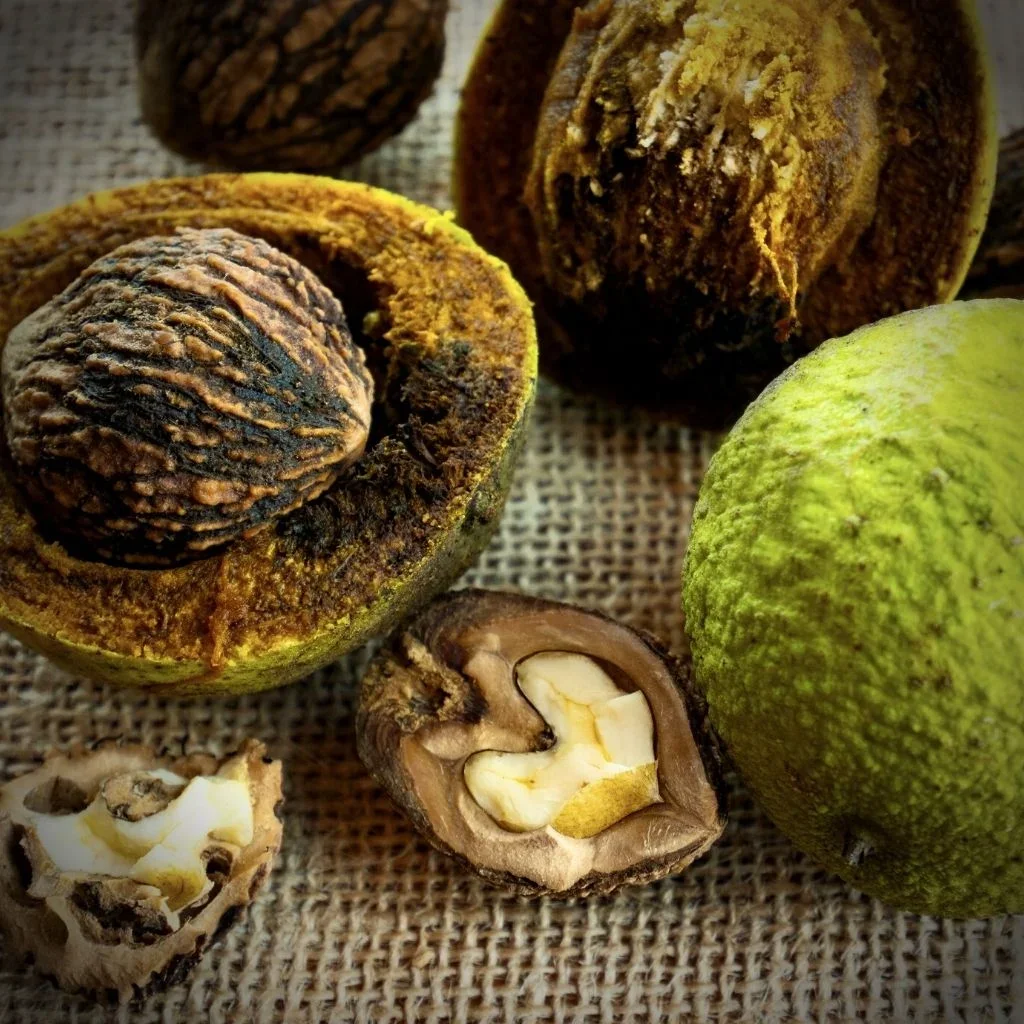
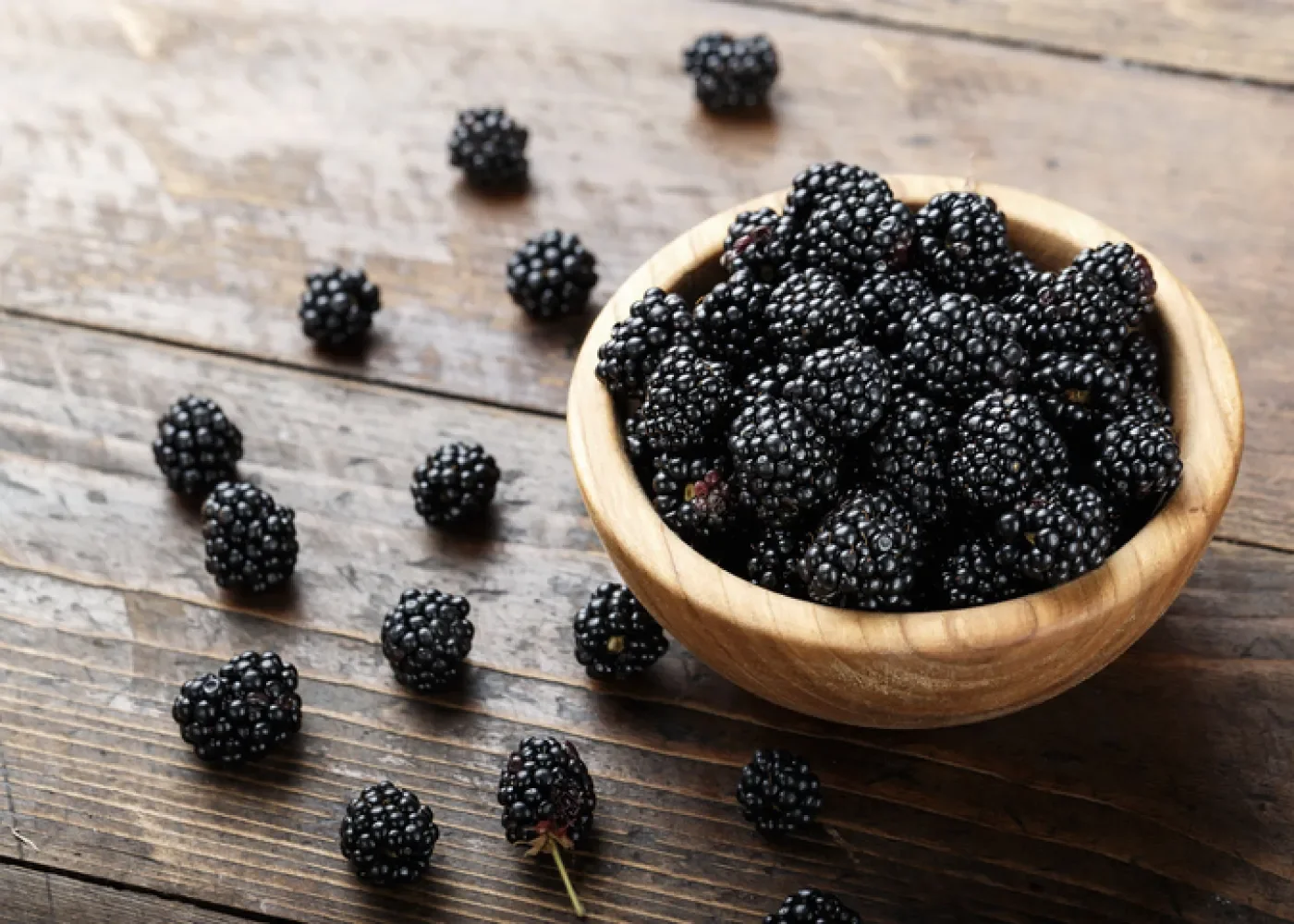
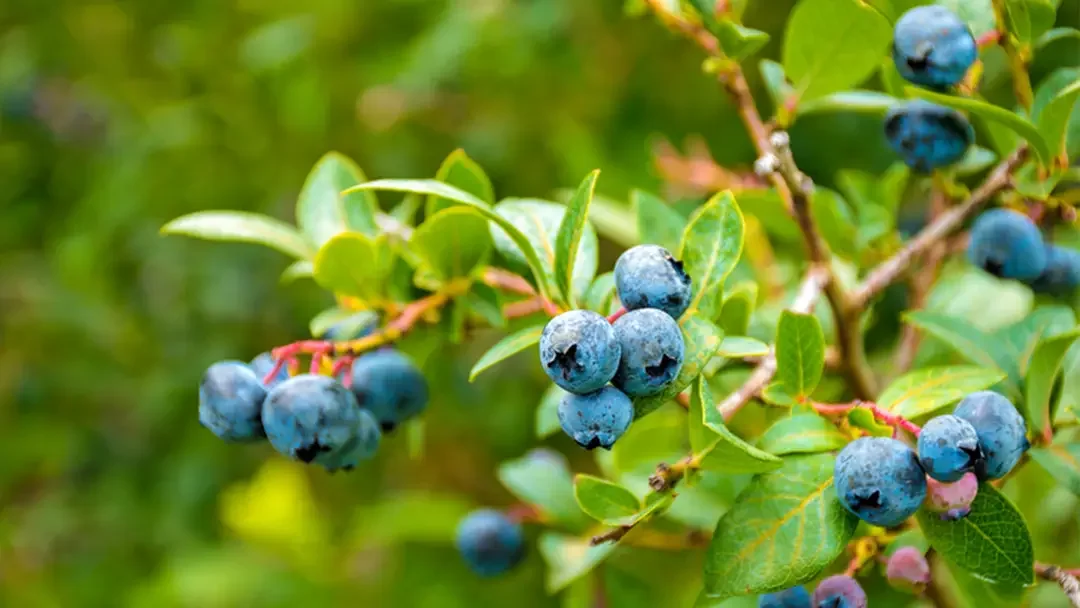
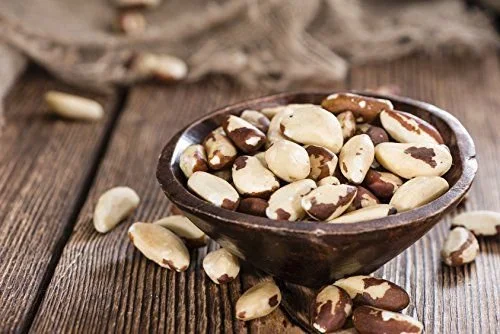
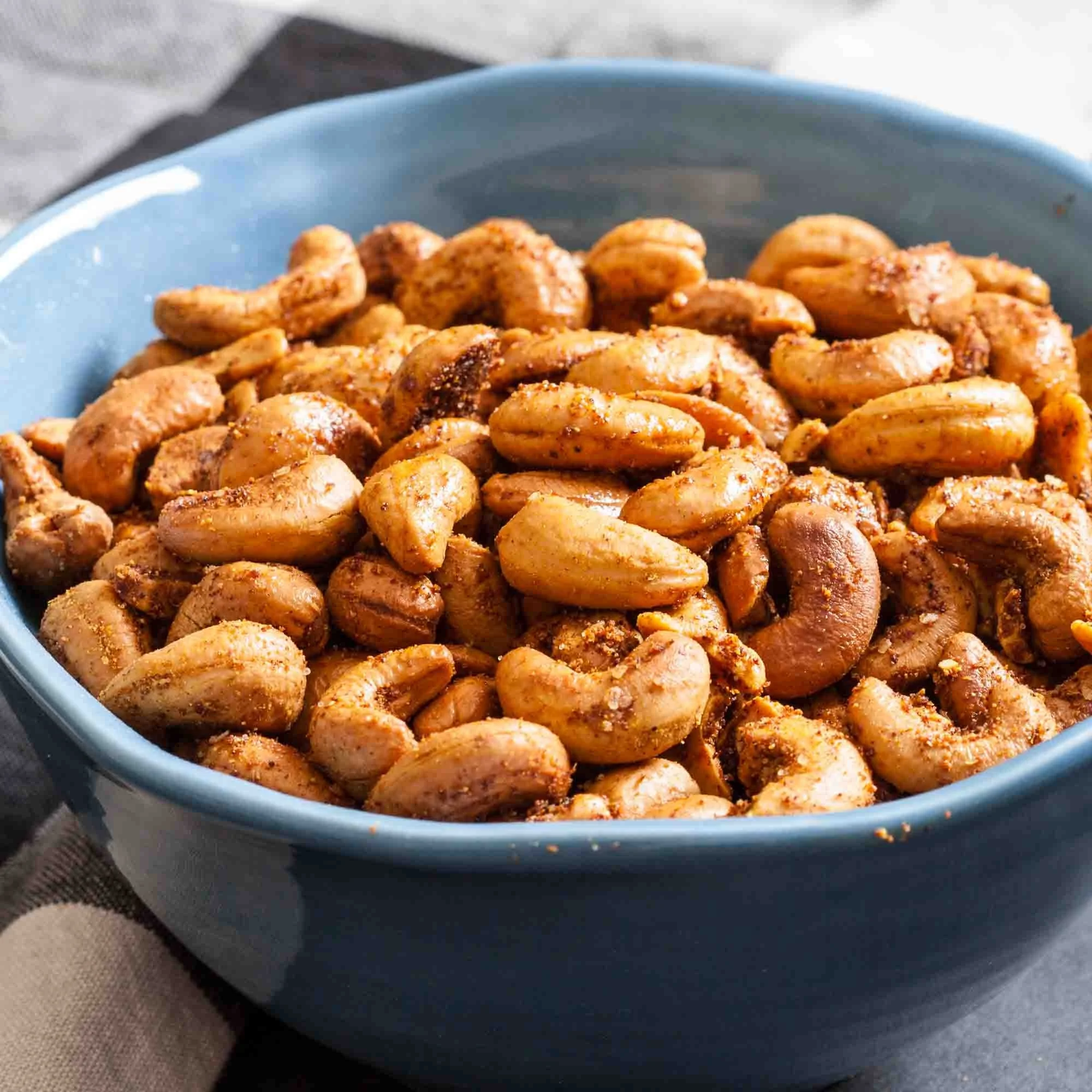
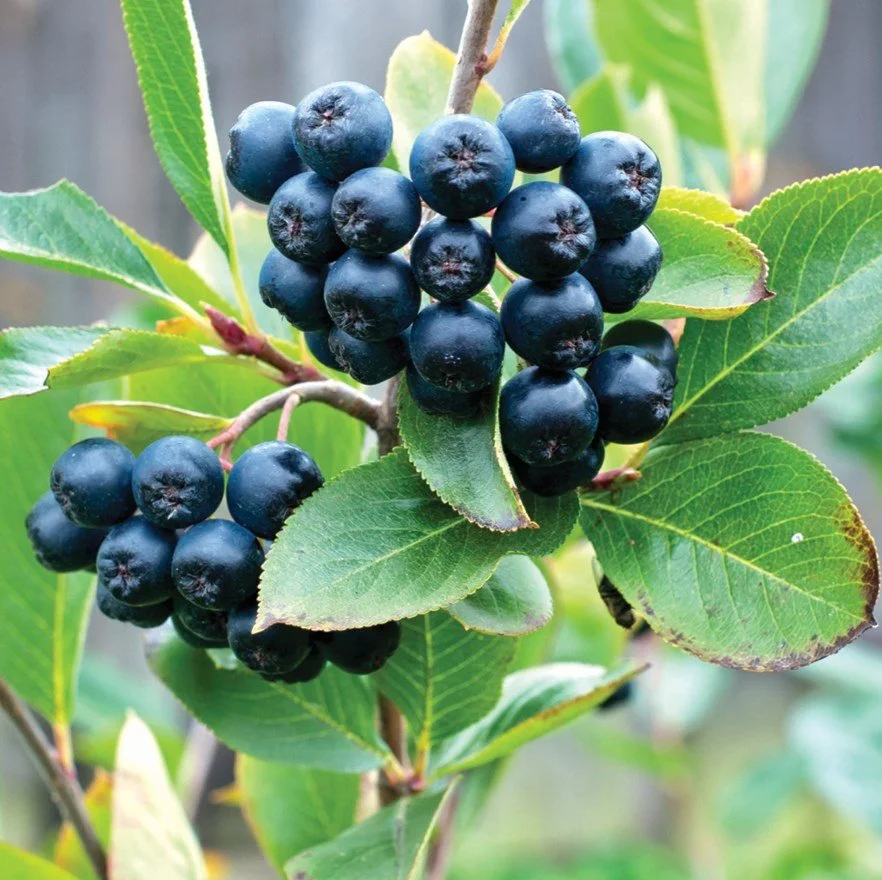
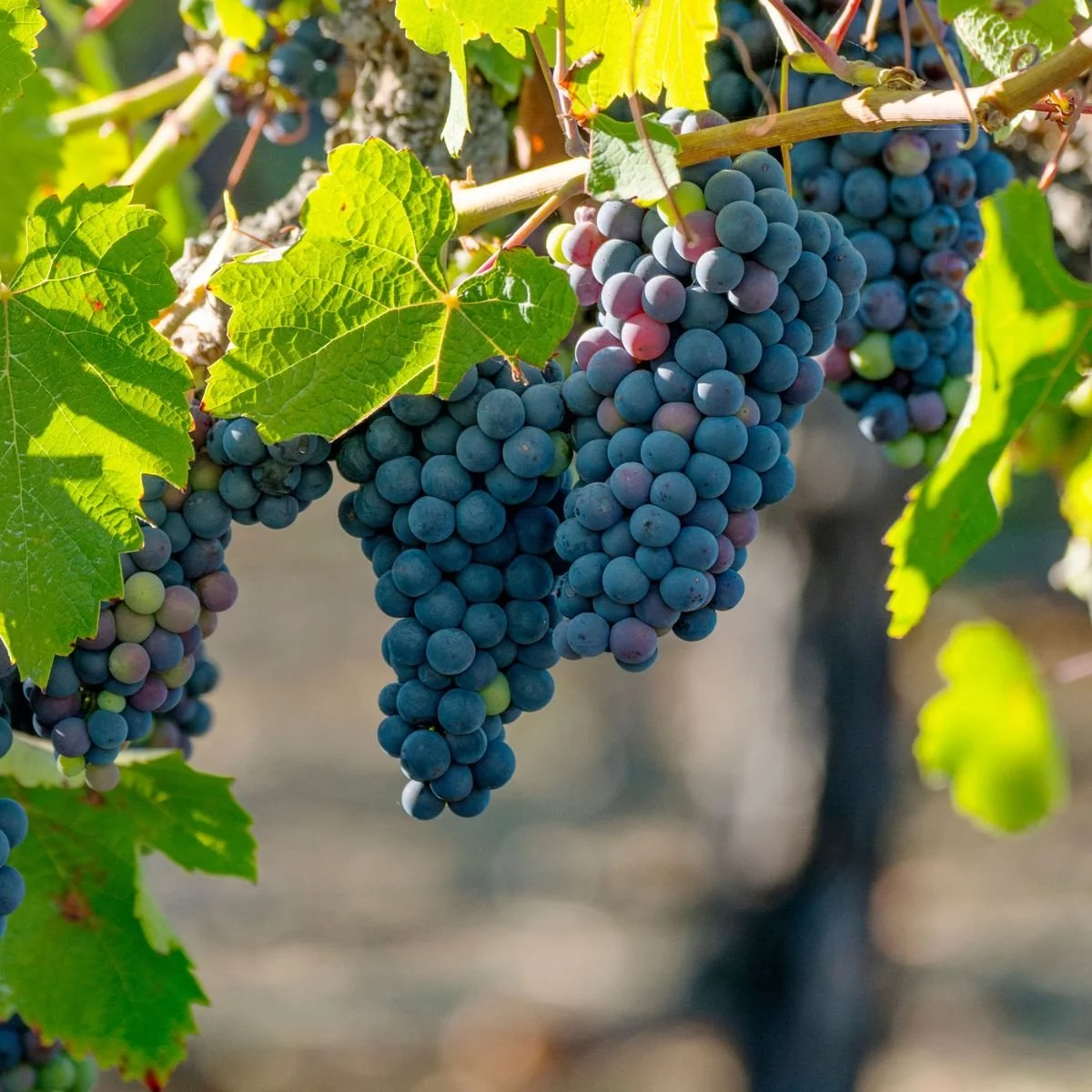
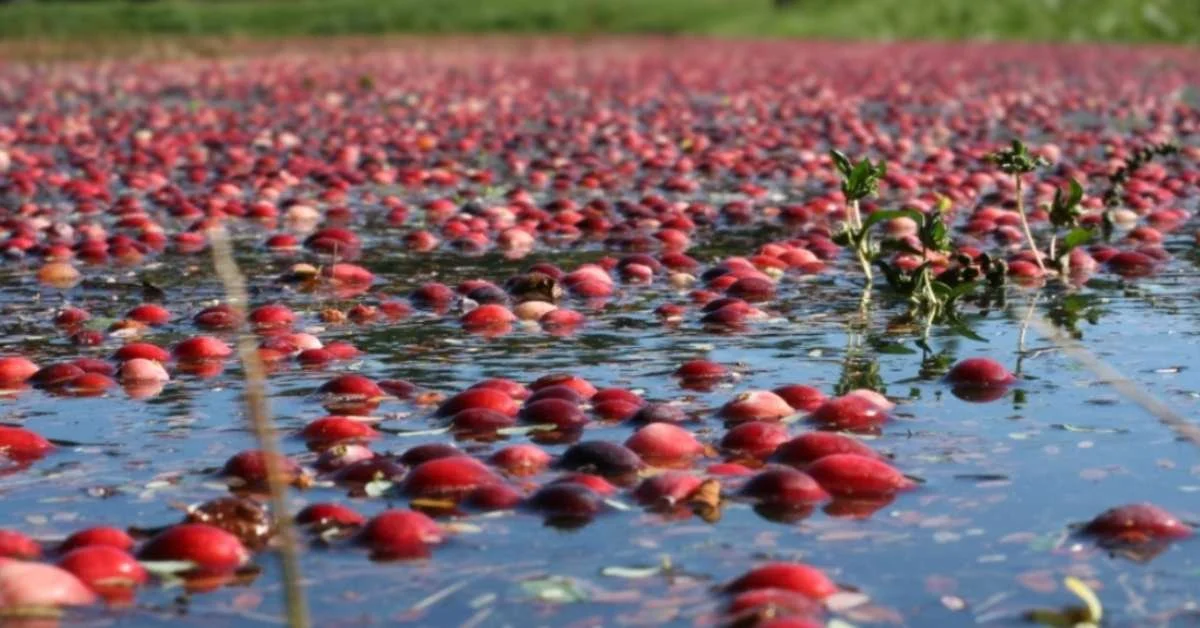
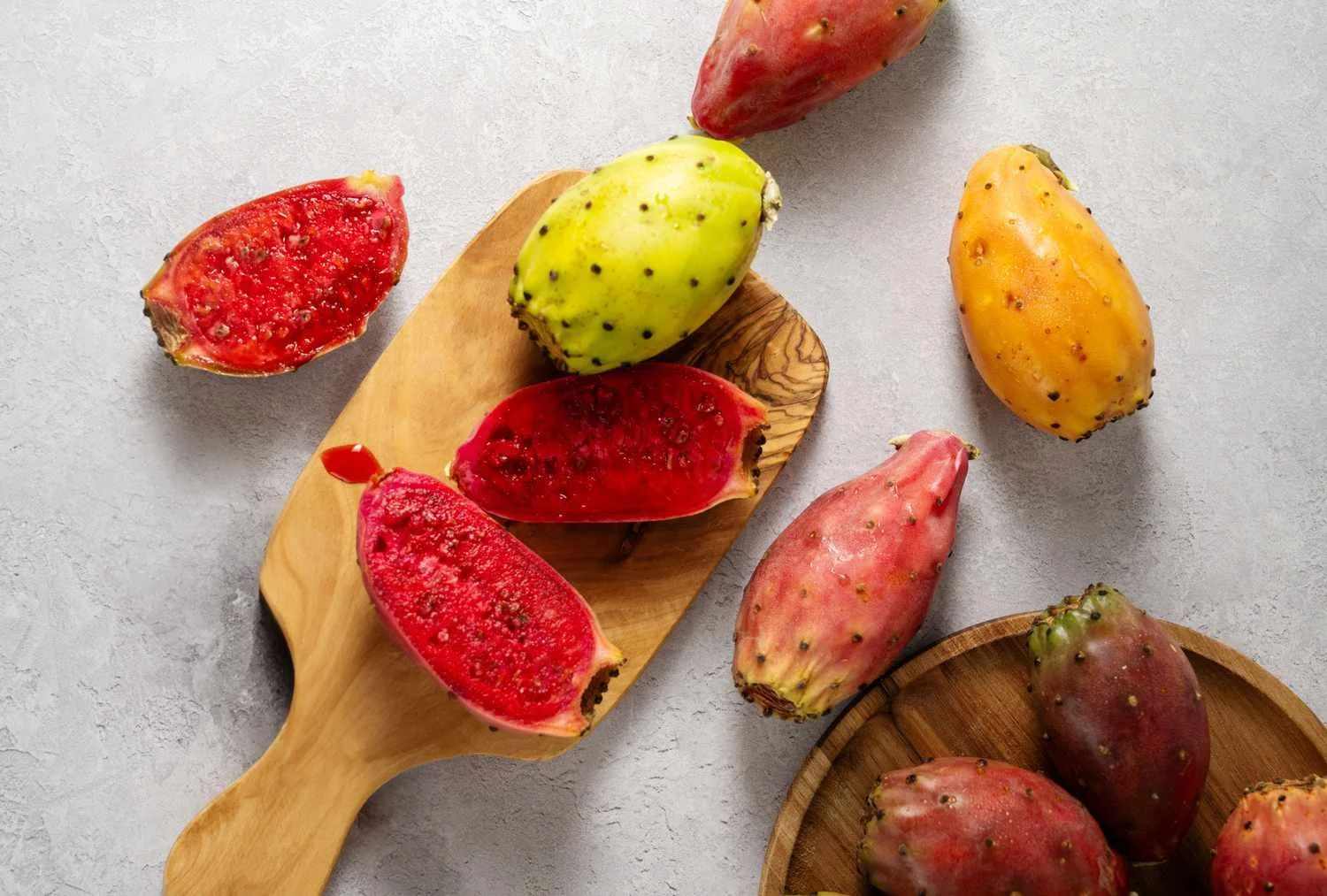
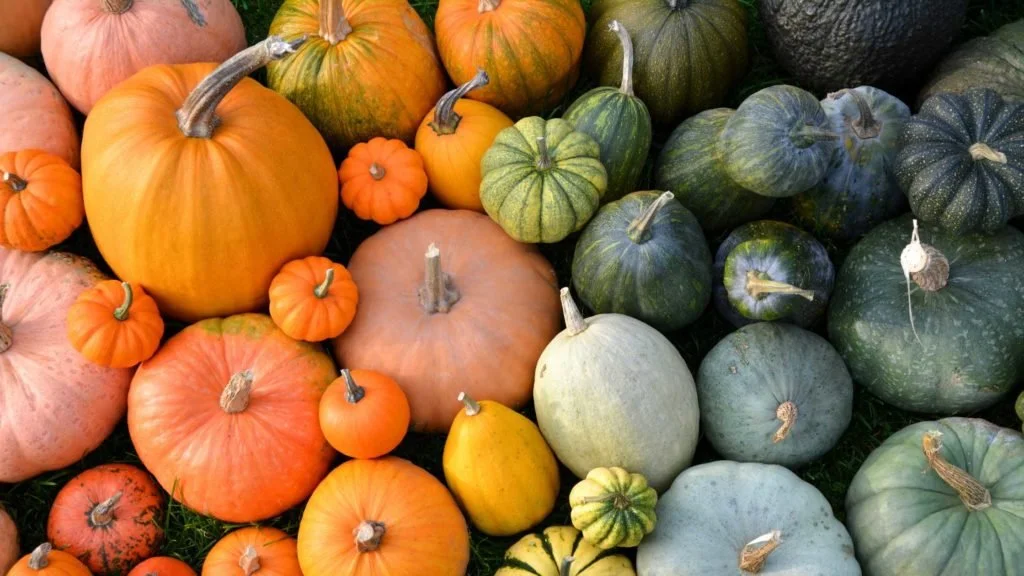
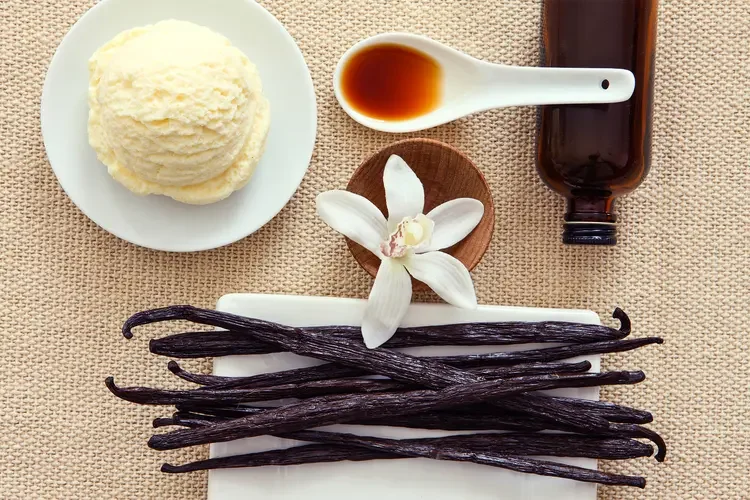
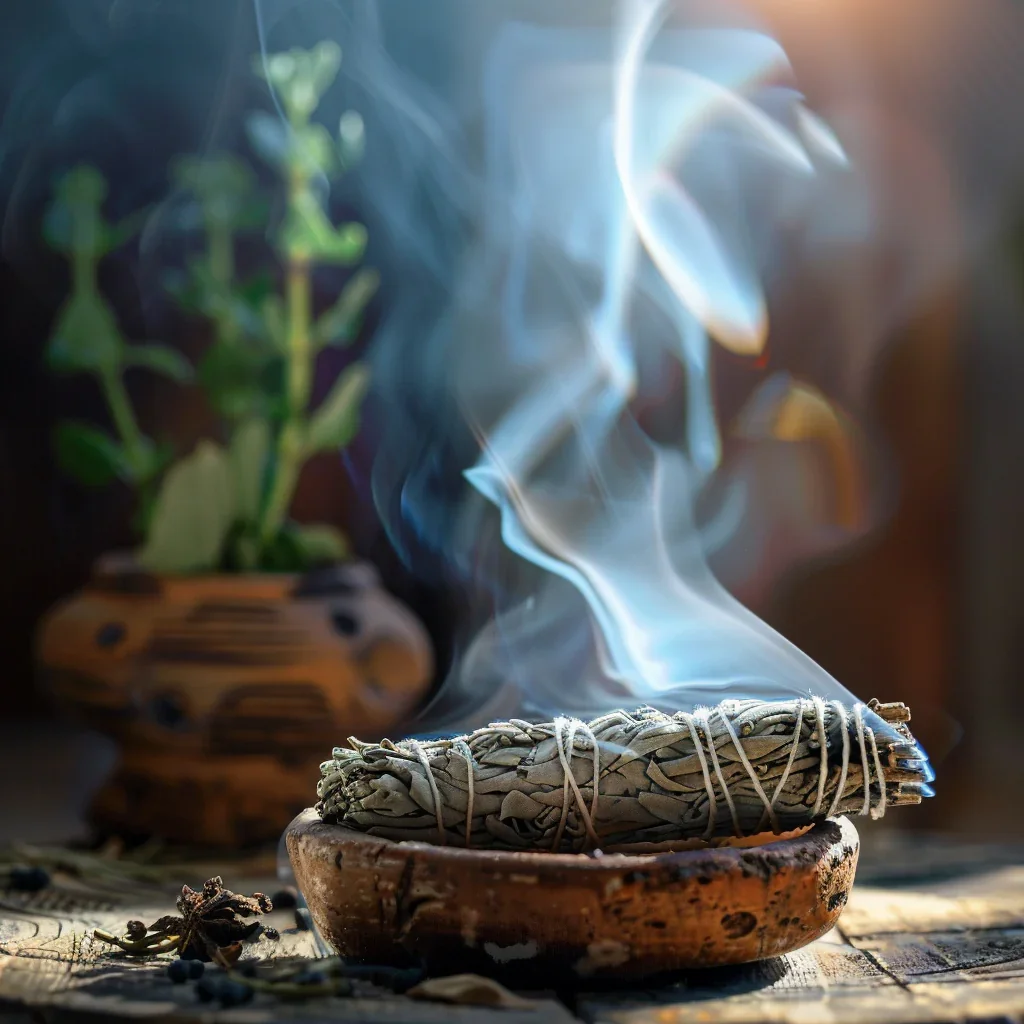
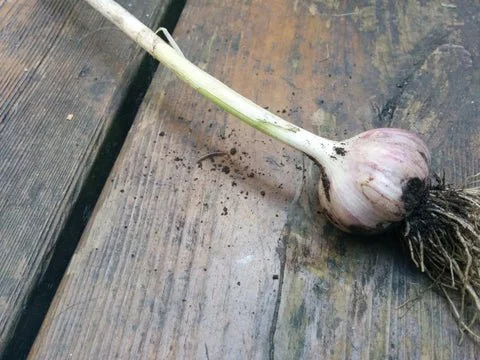
Here are just some of the foods first cultivated in the Americans:
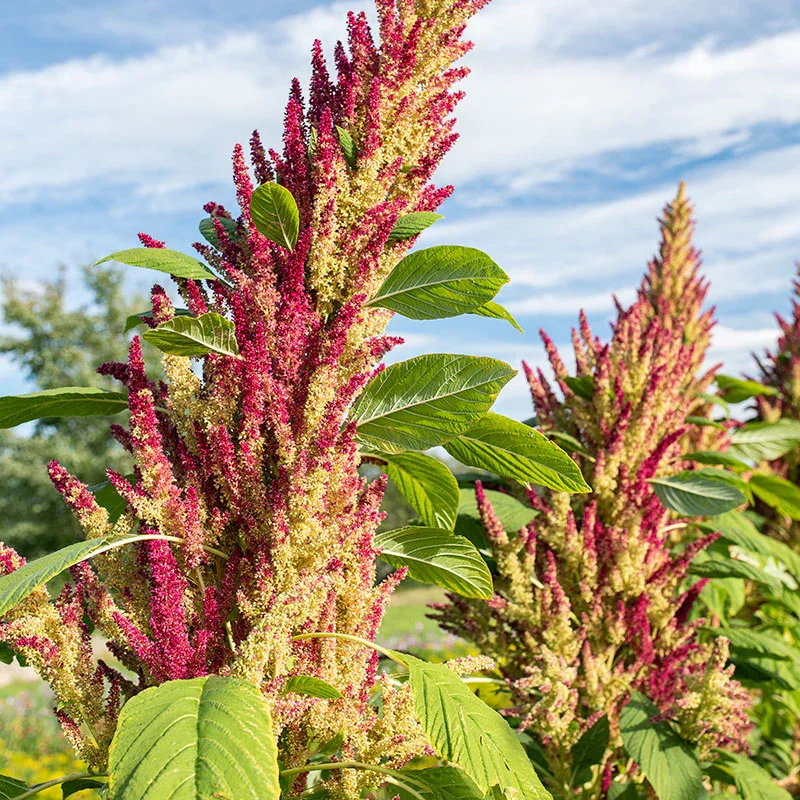
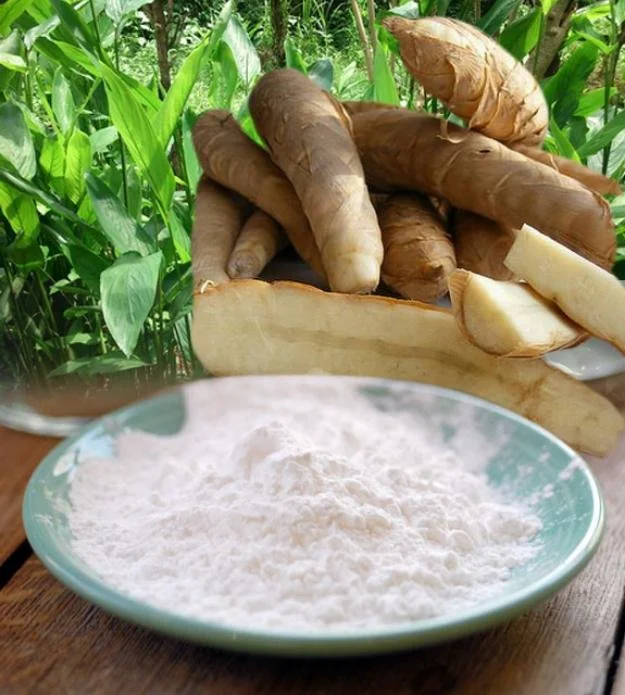
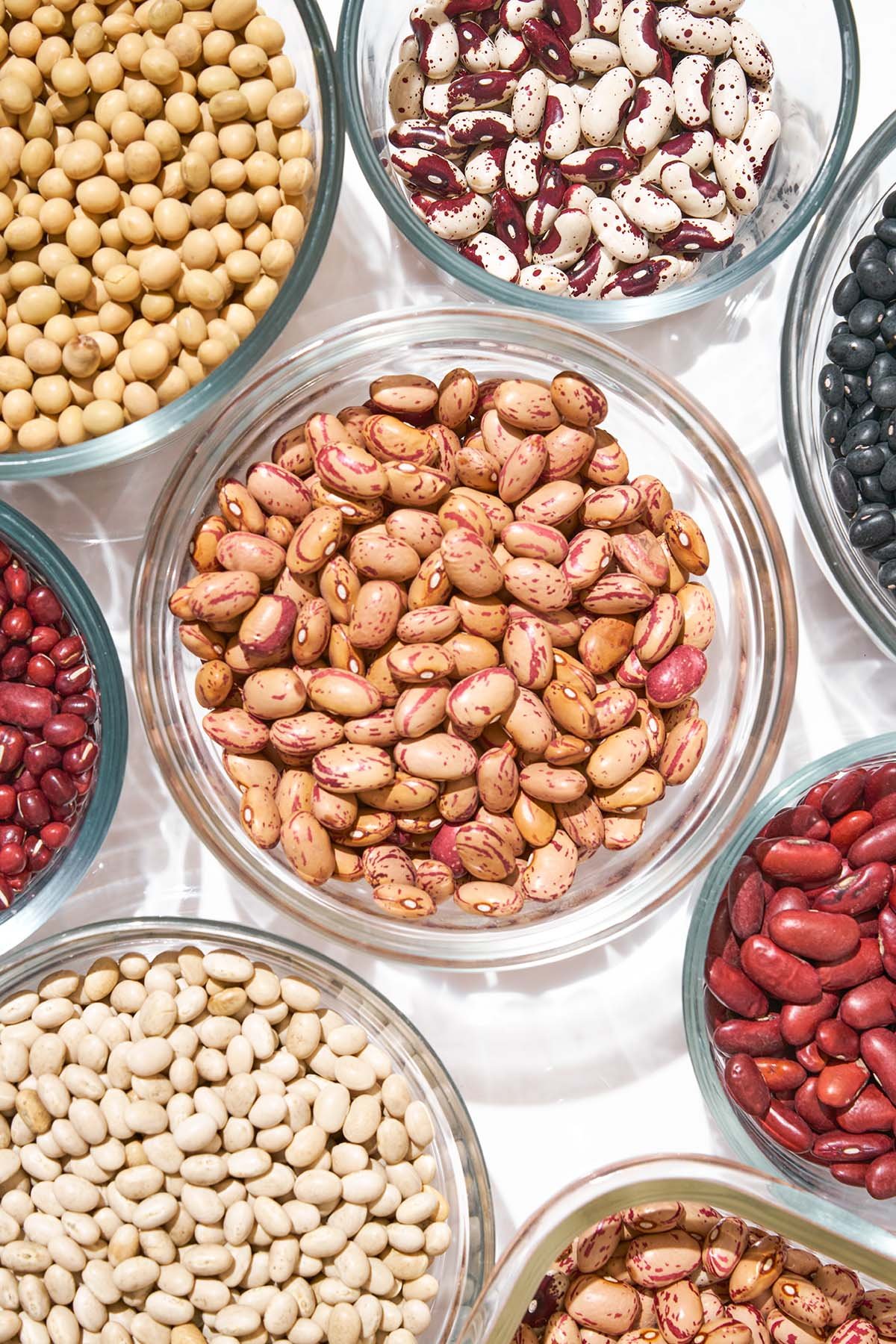
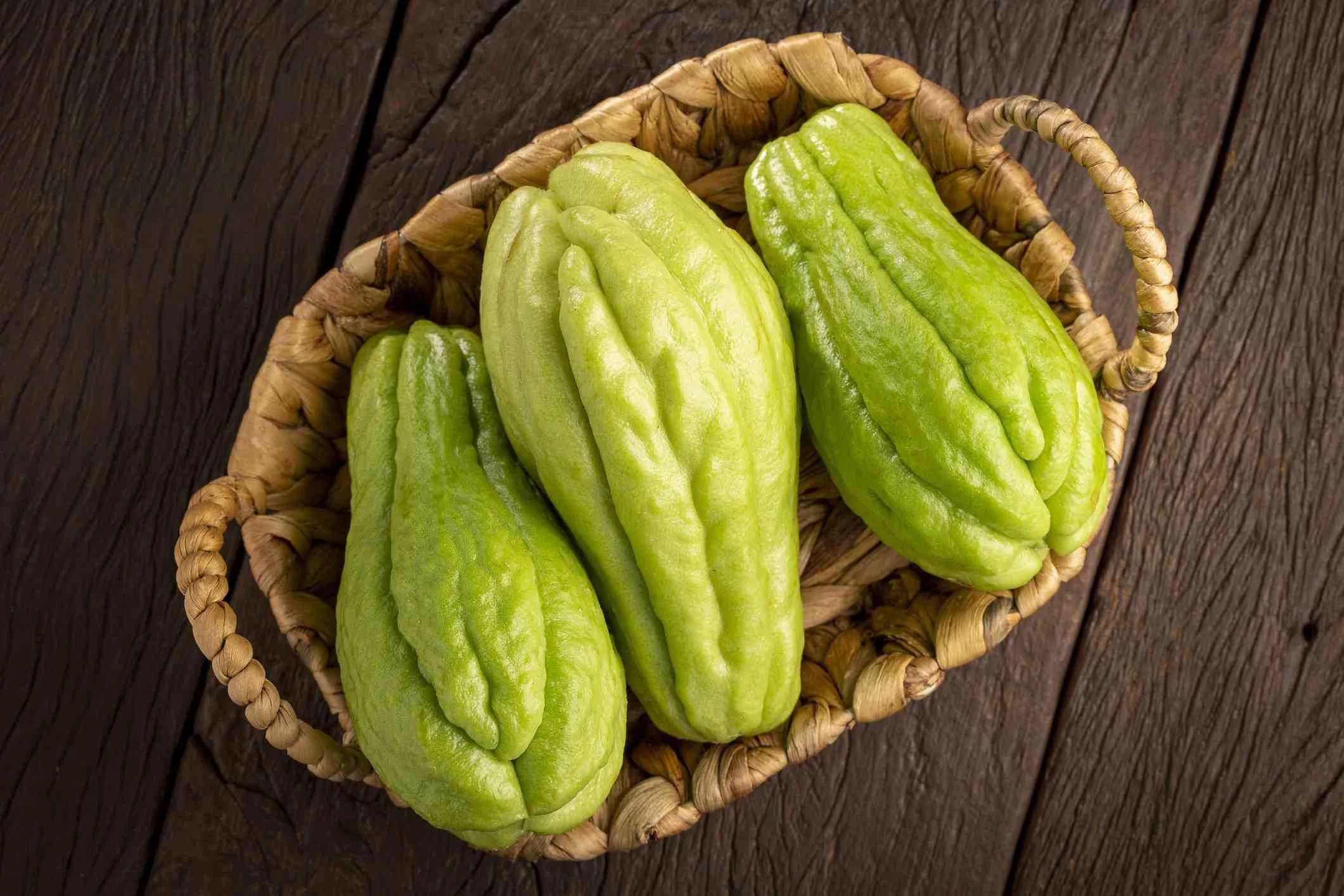
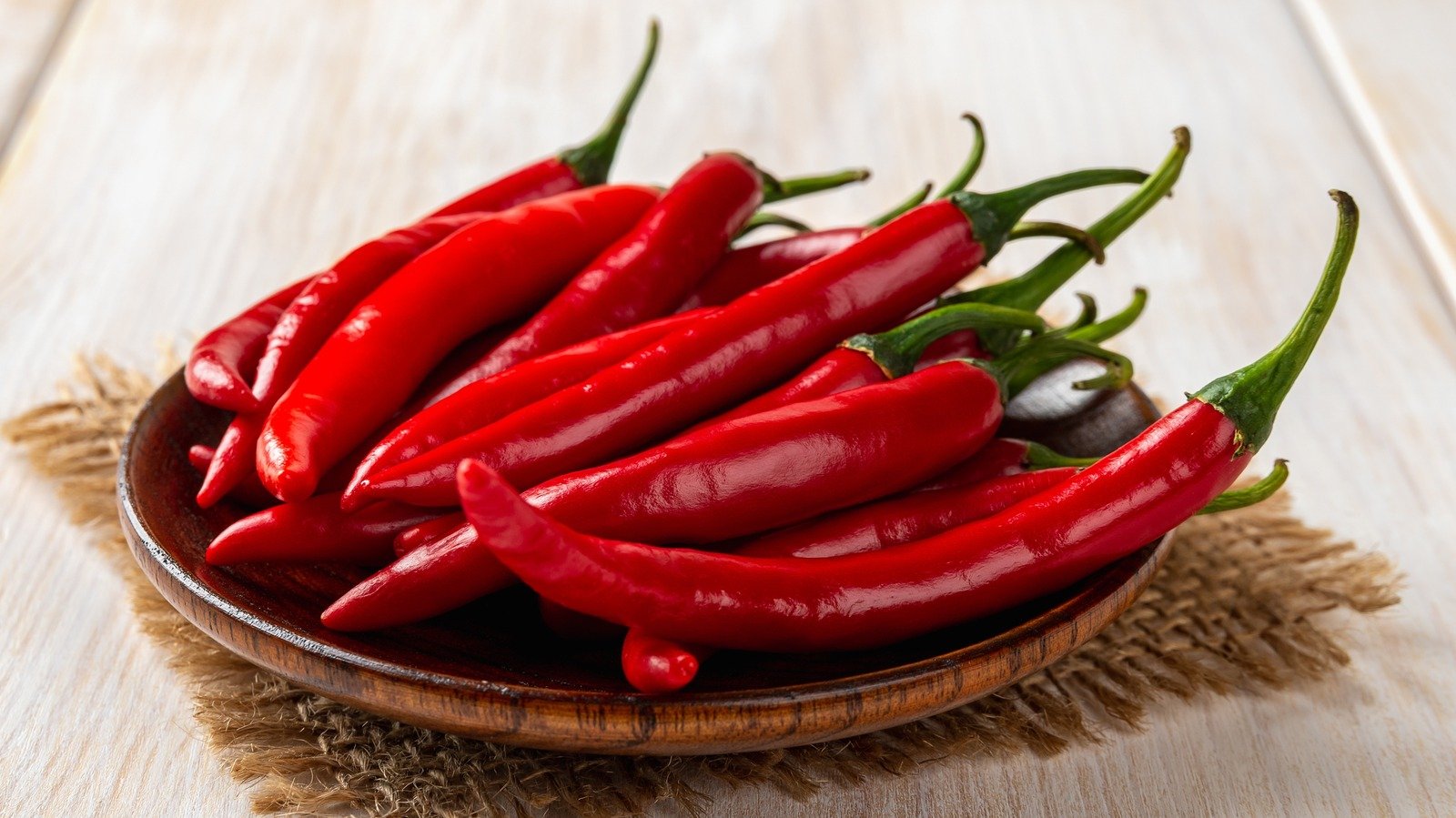
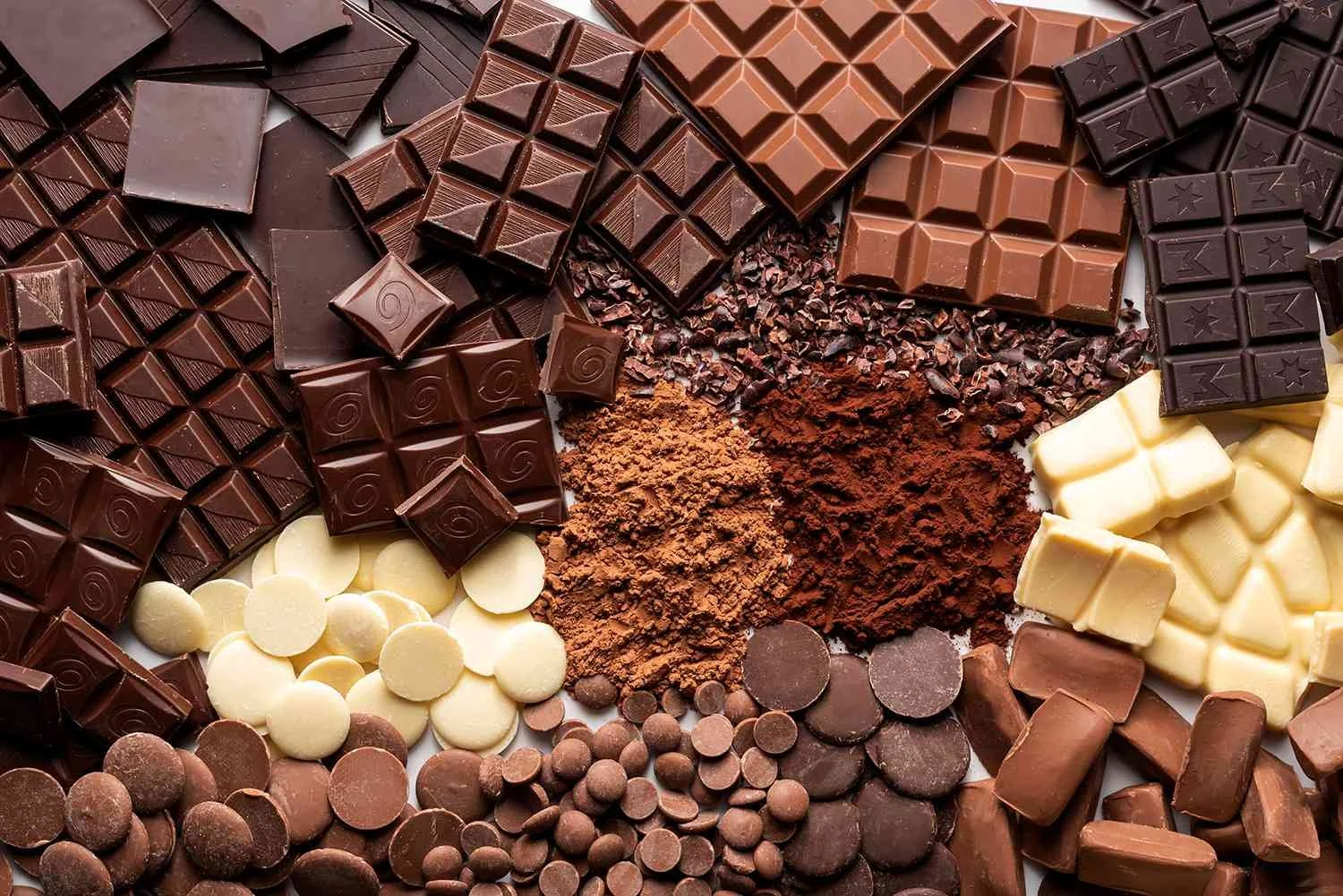
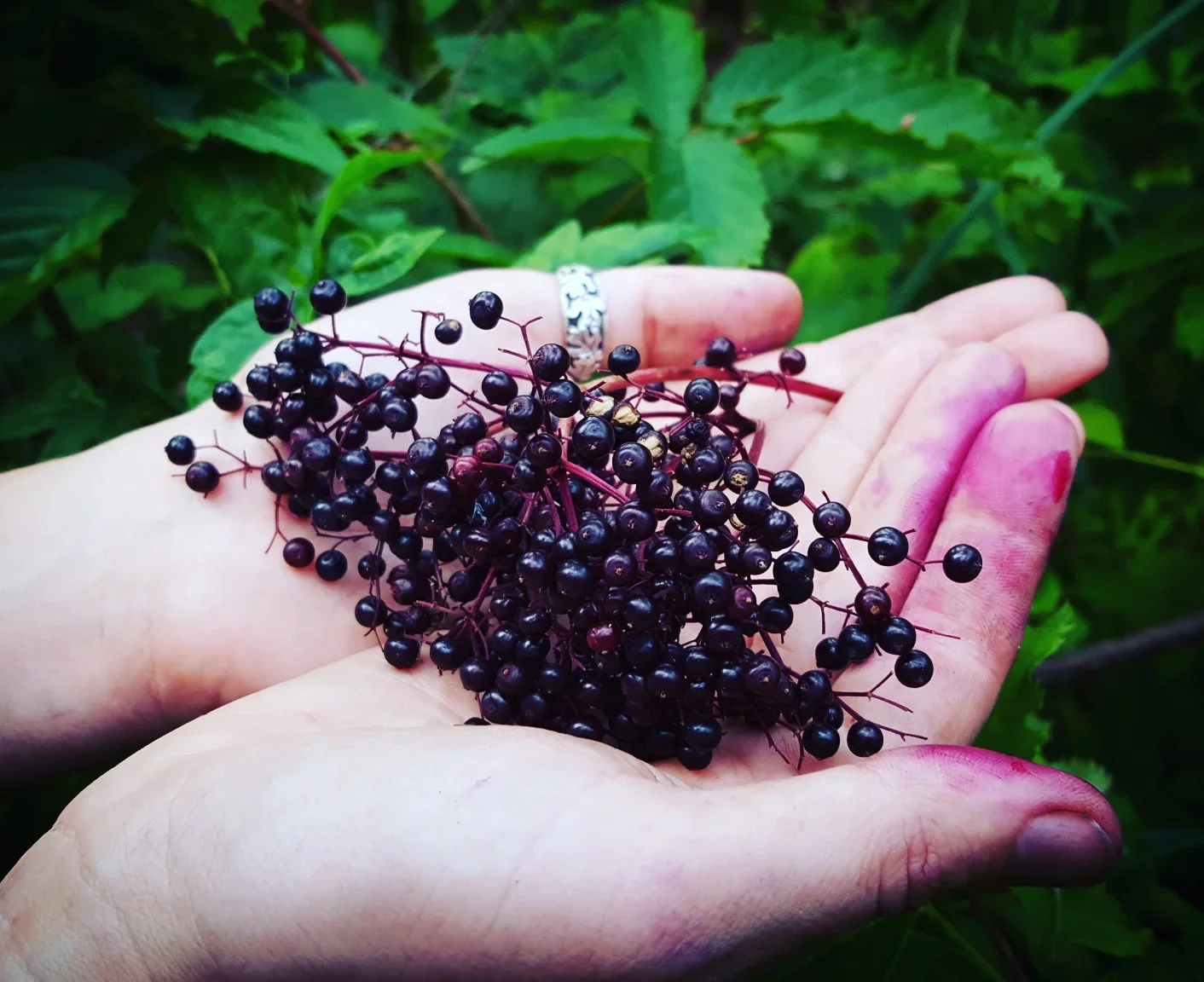
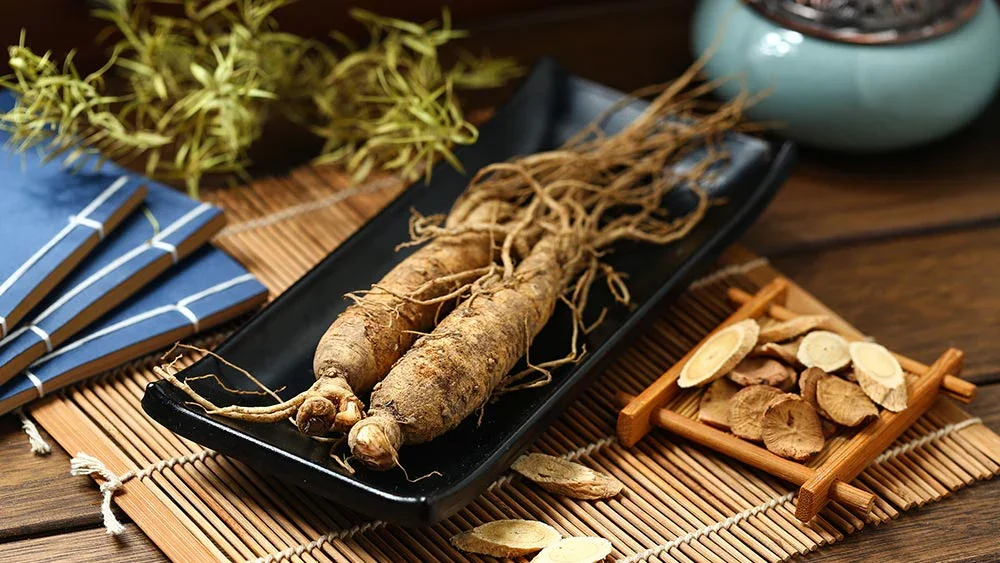
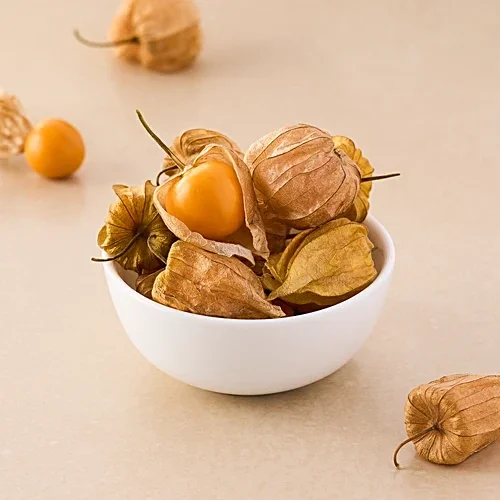
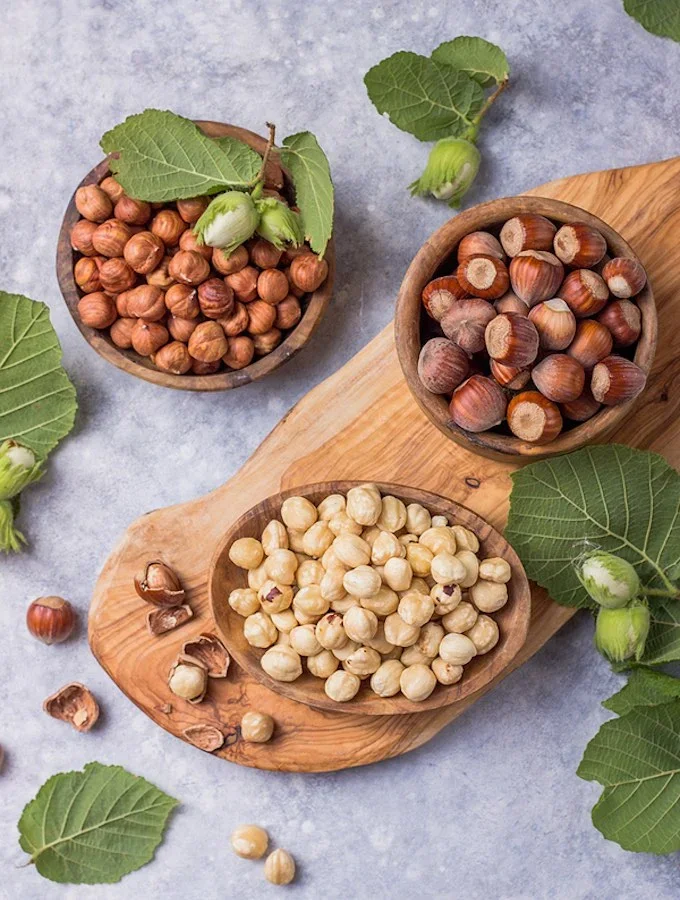
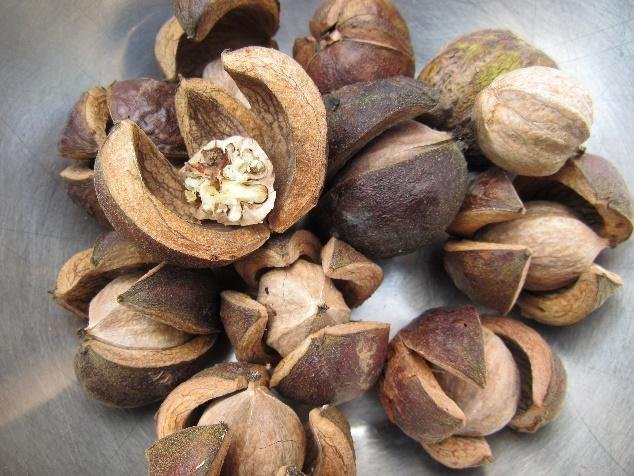
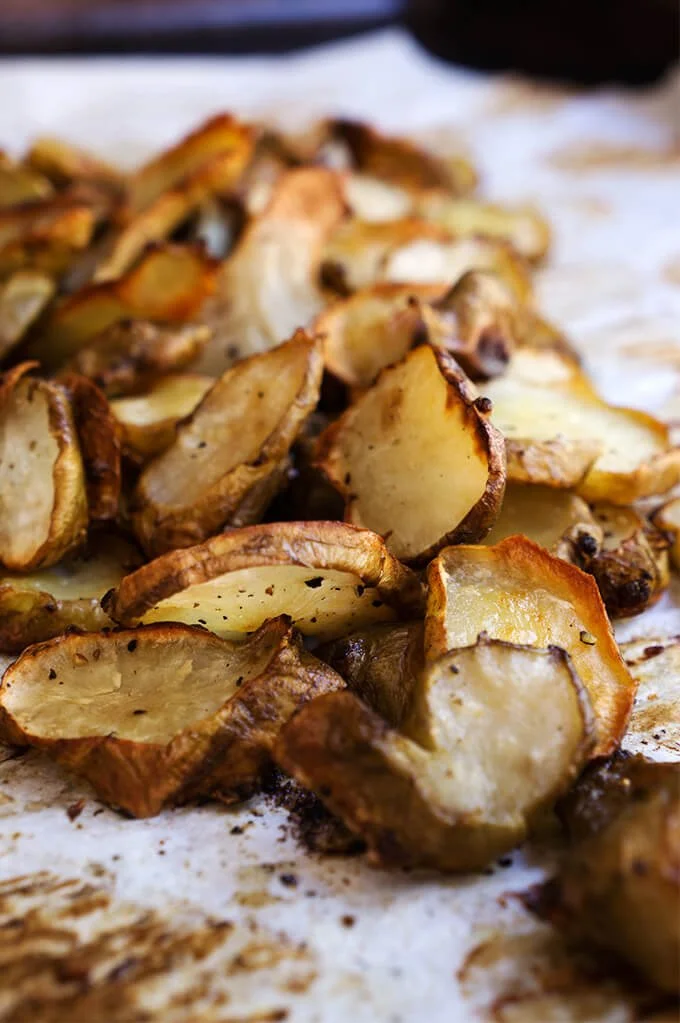
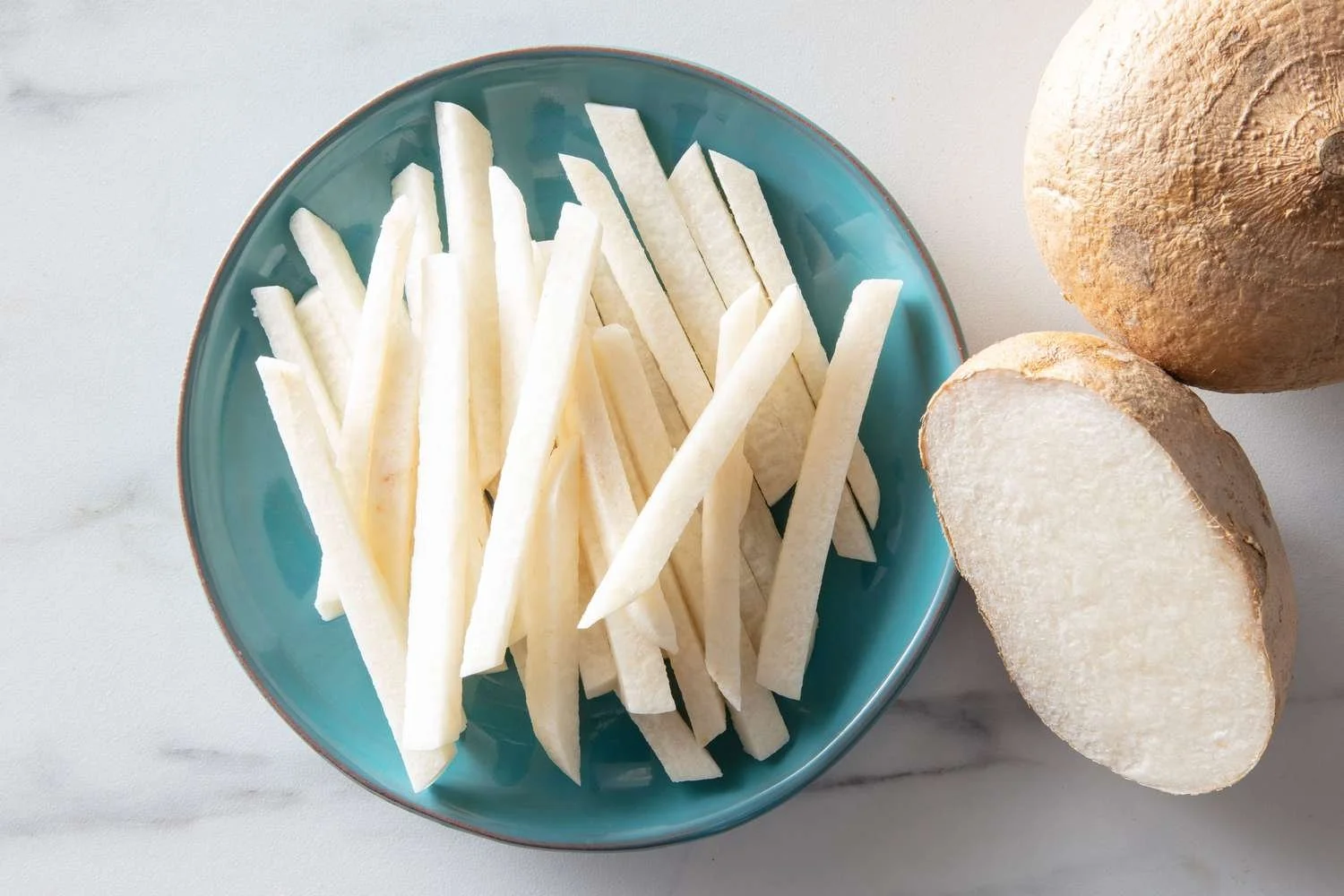
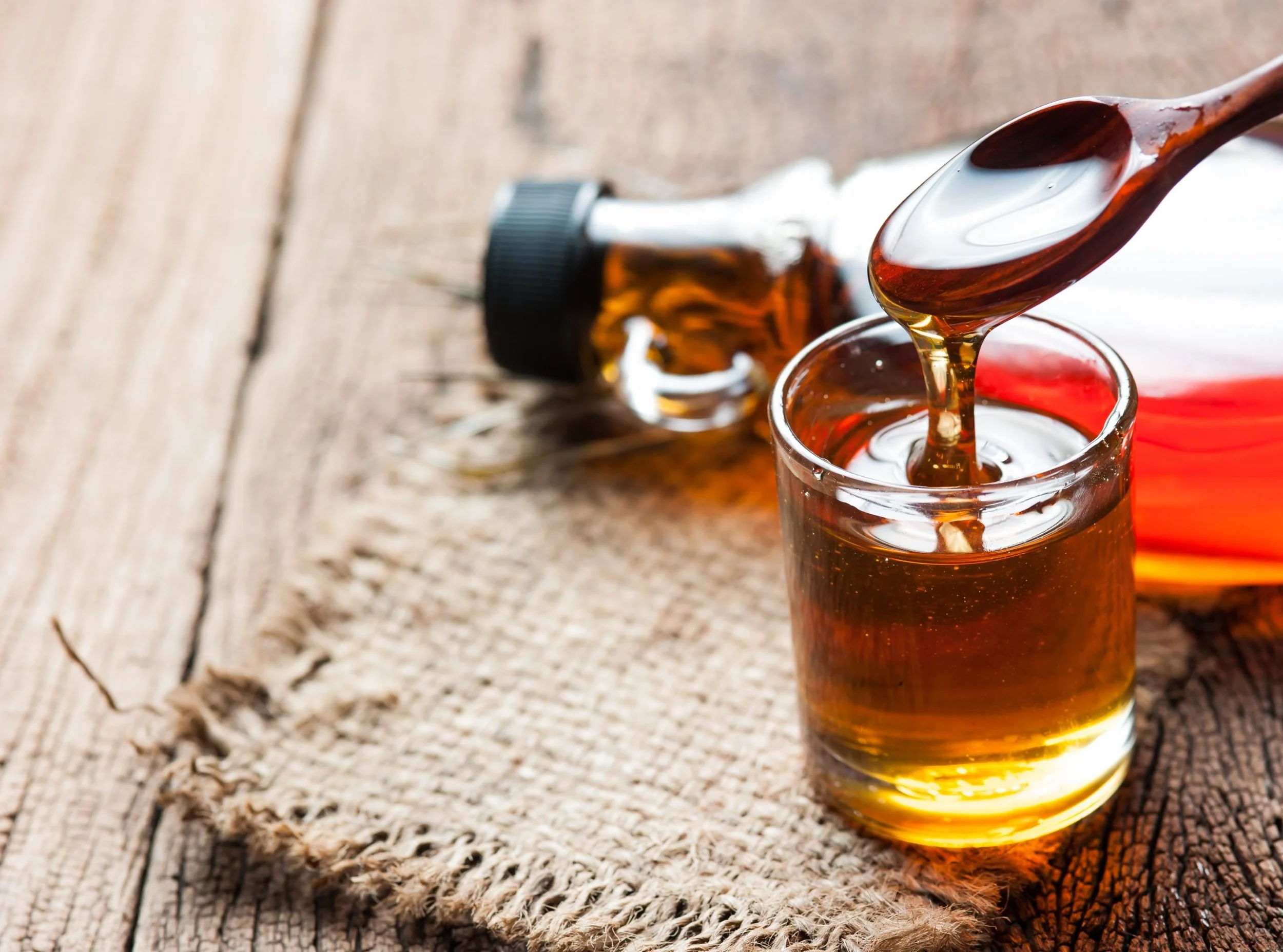
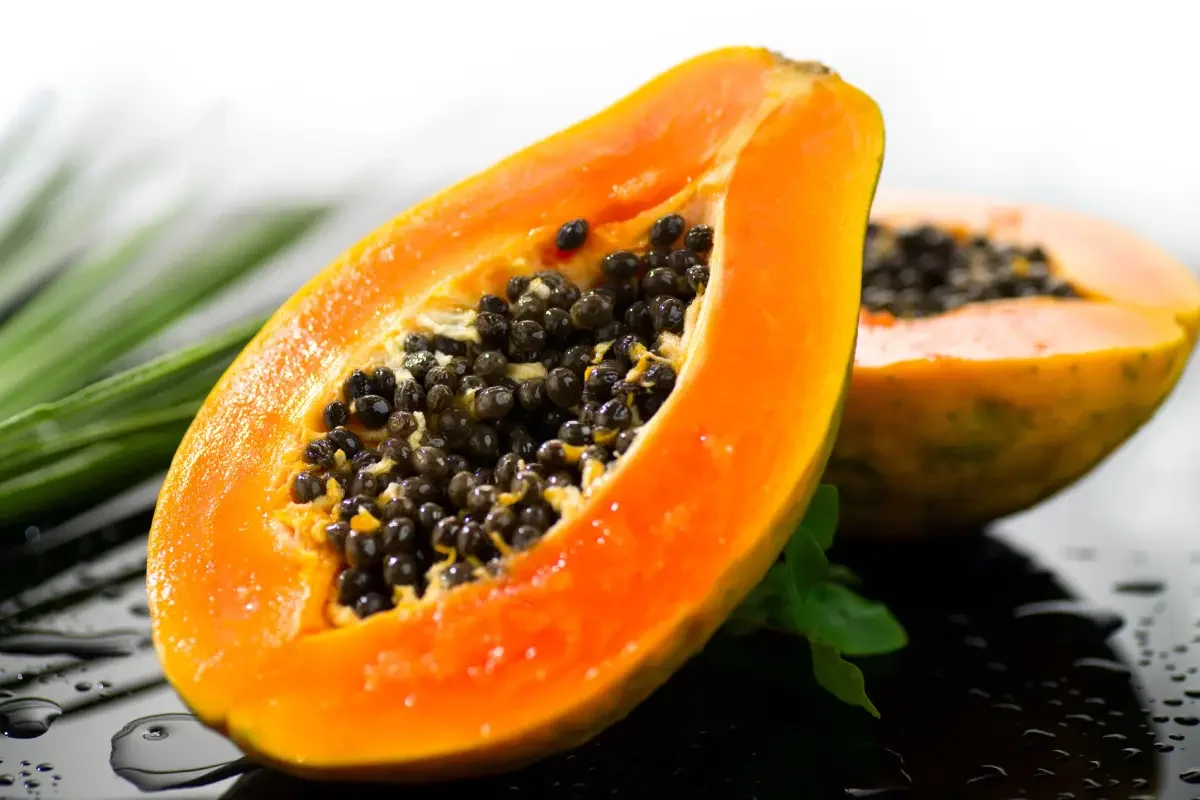
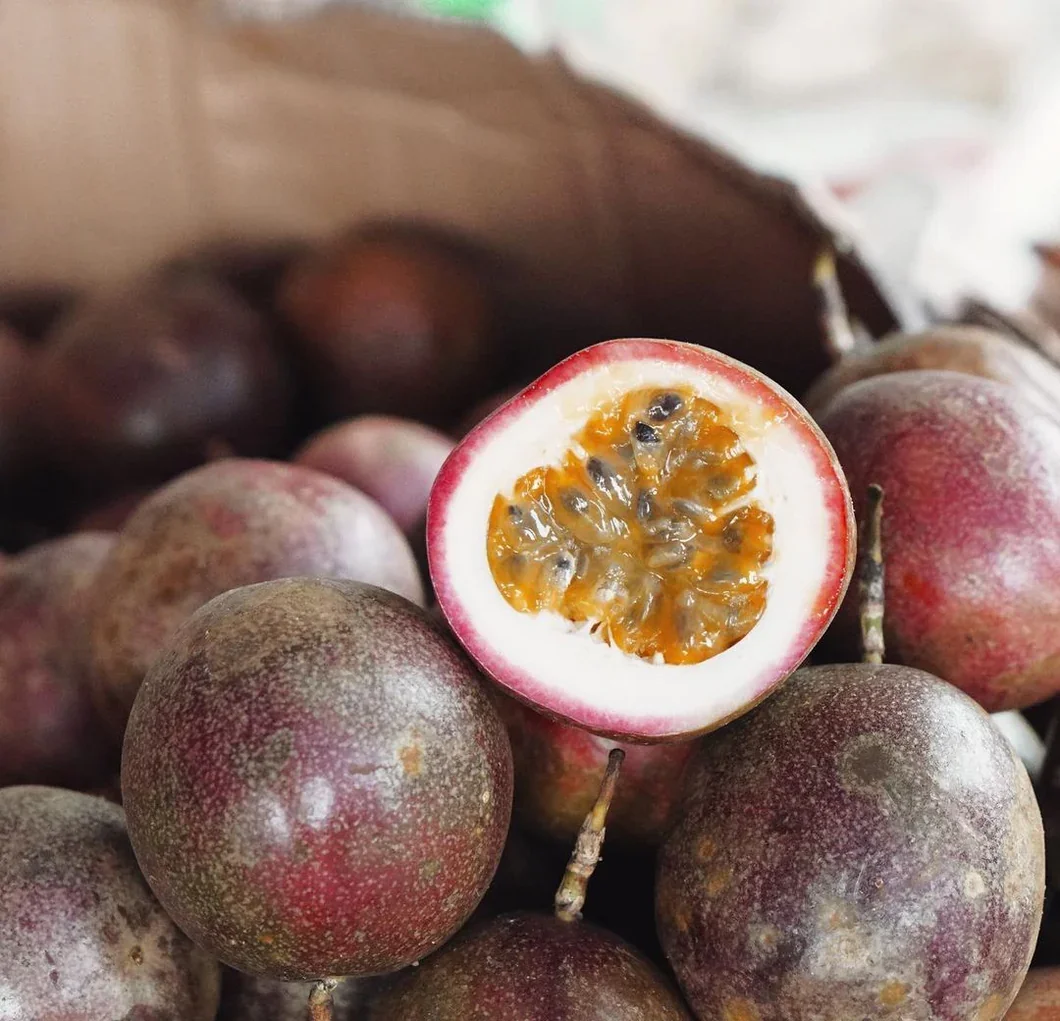
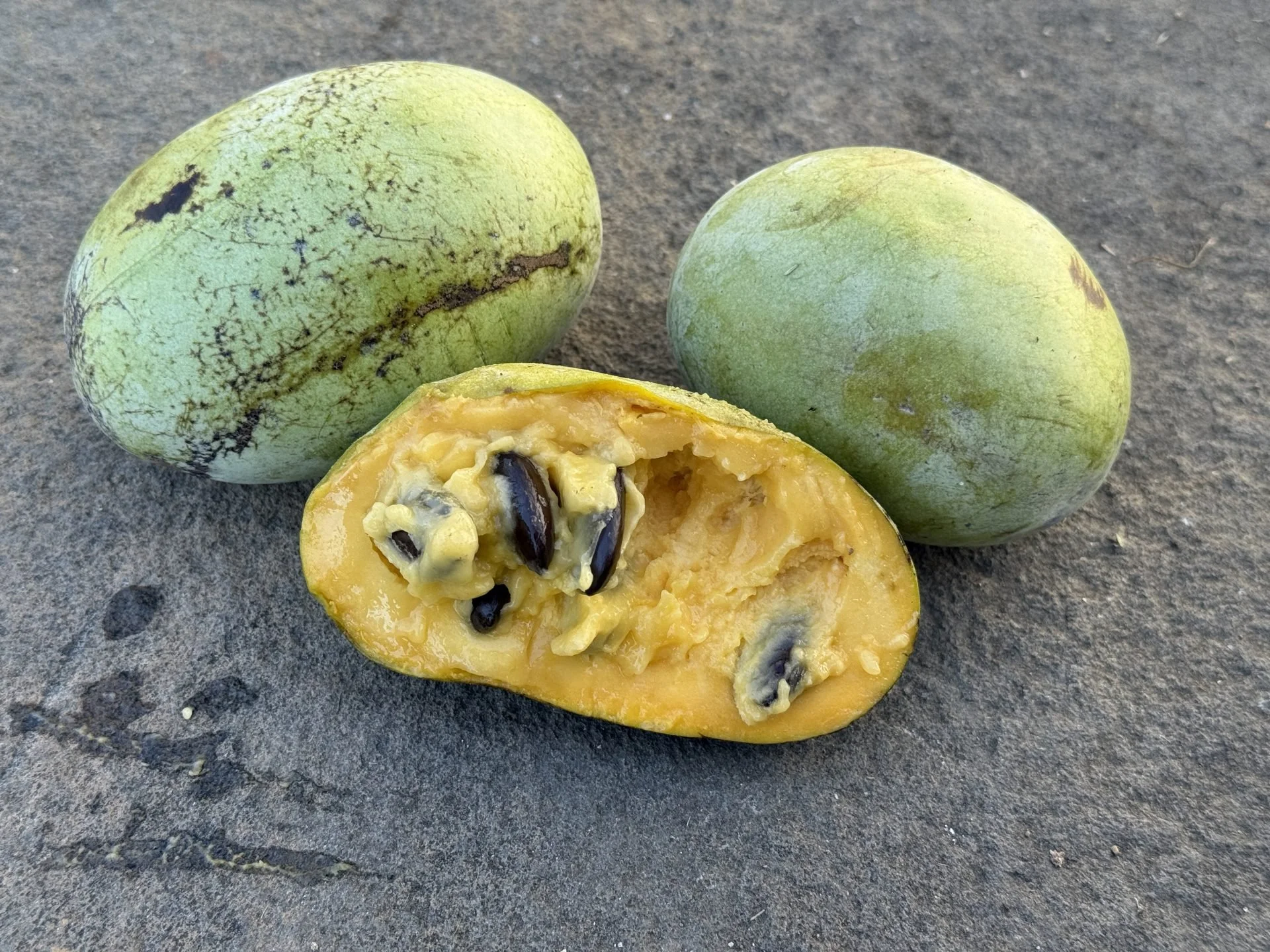
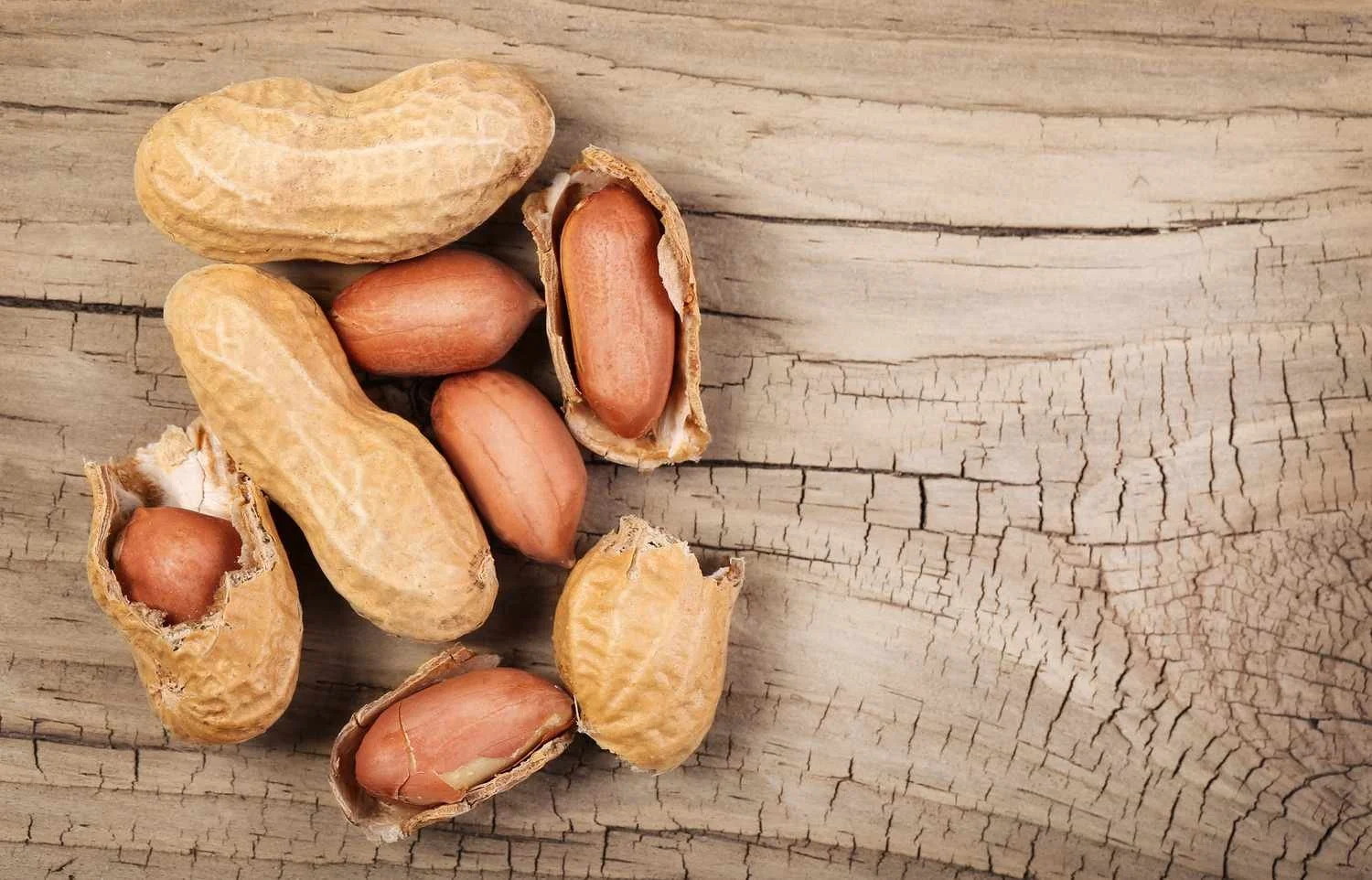
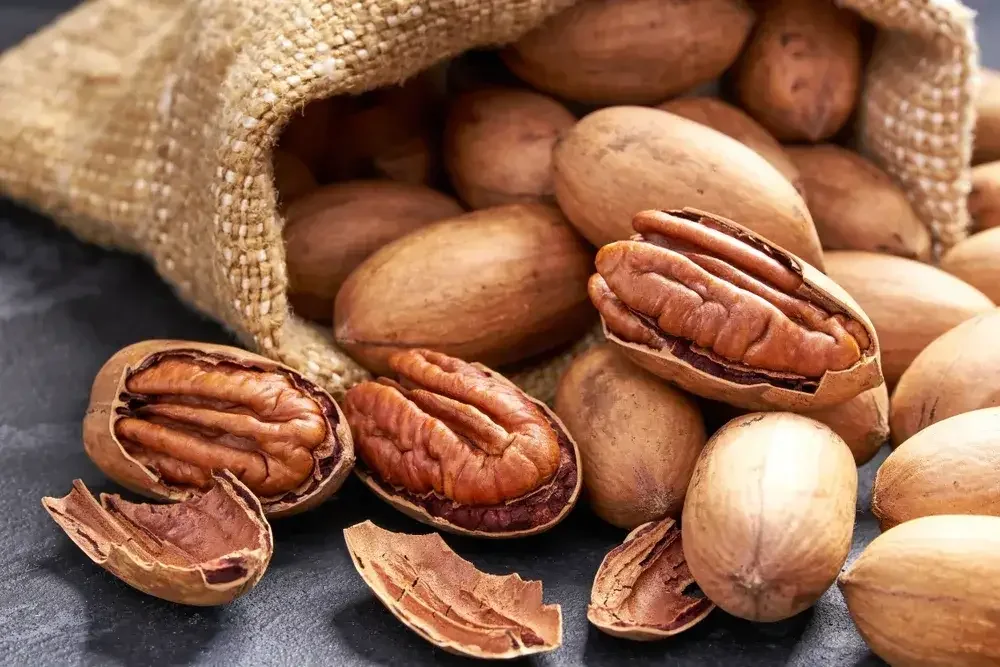
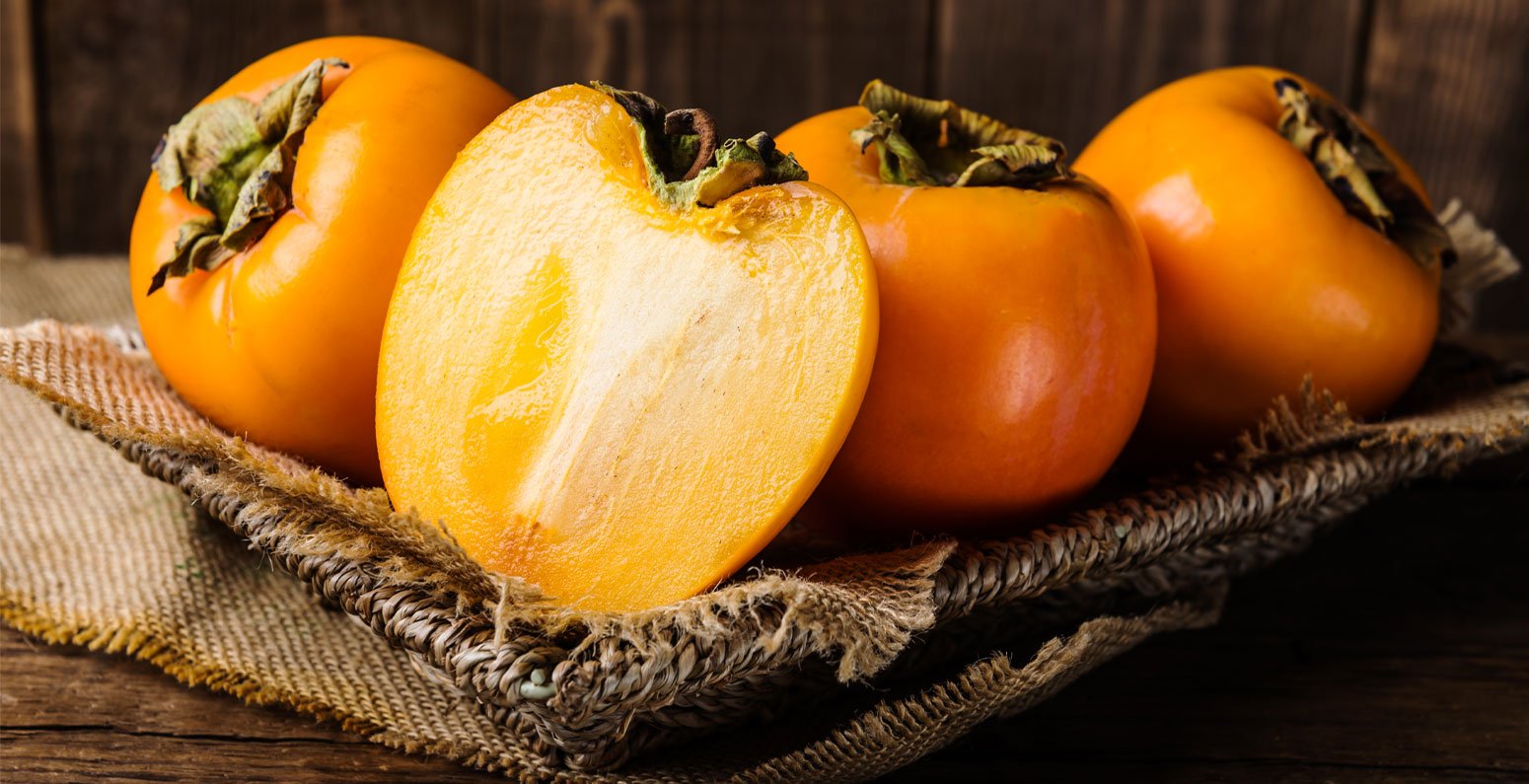
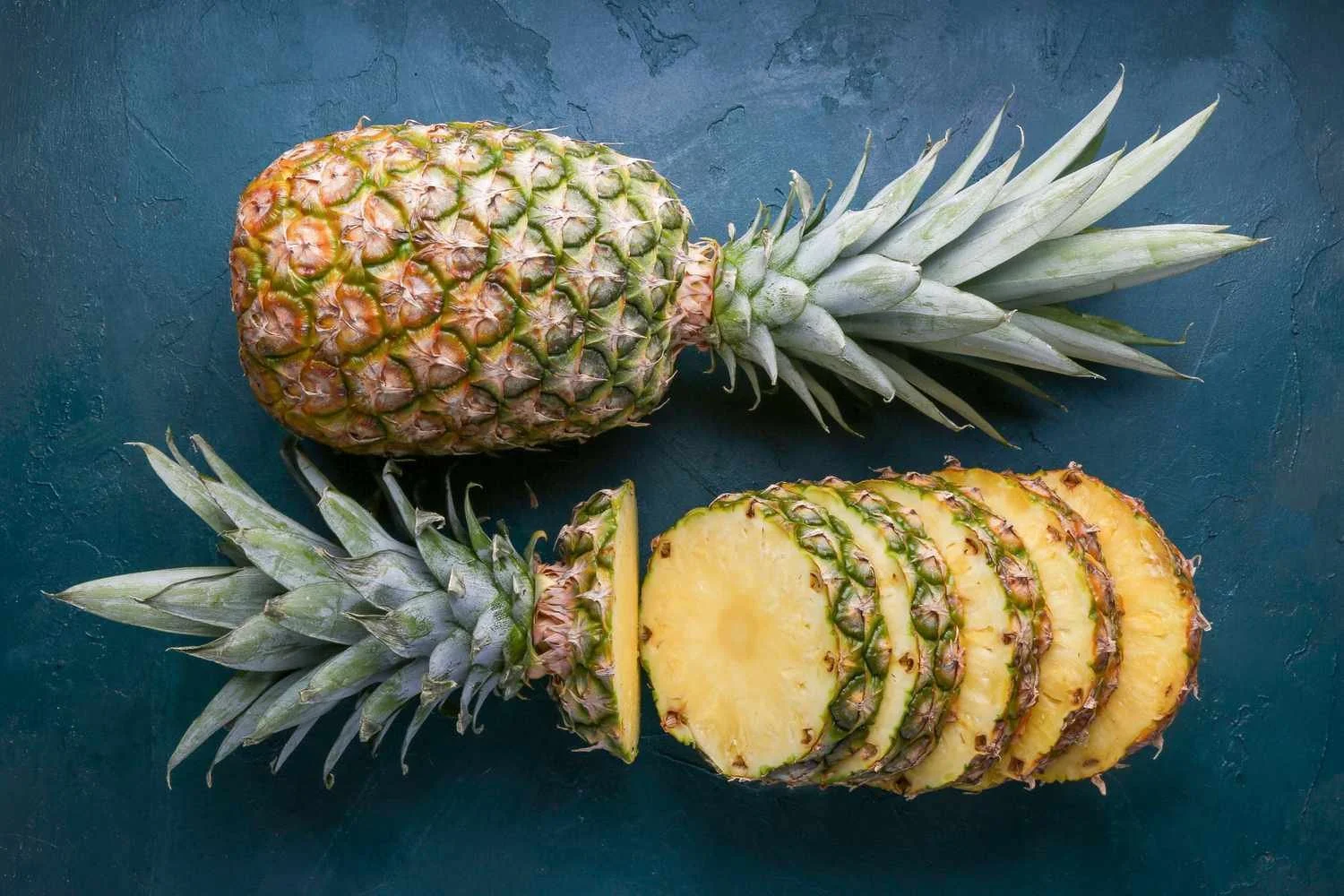
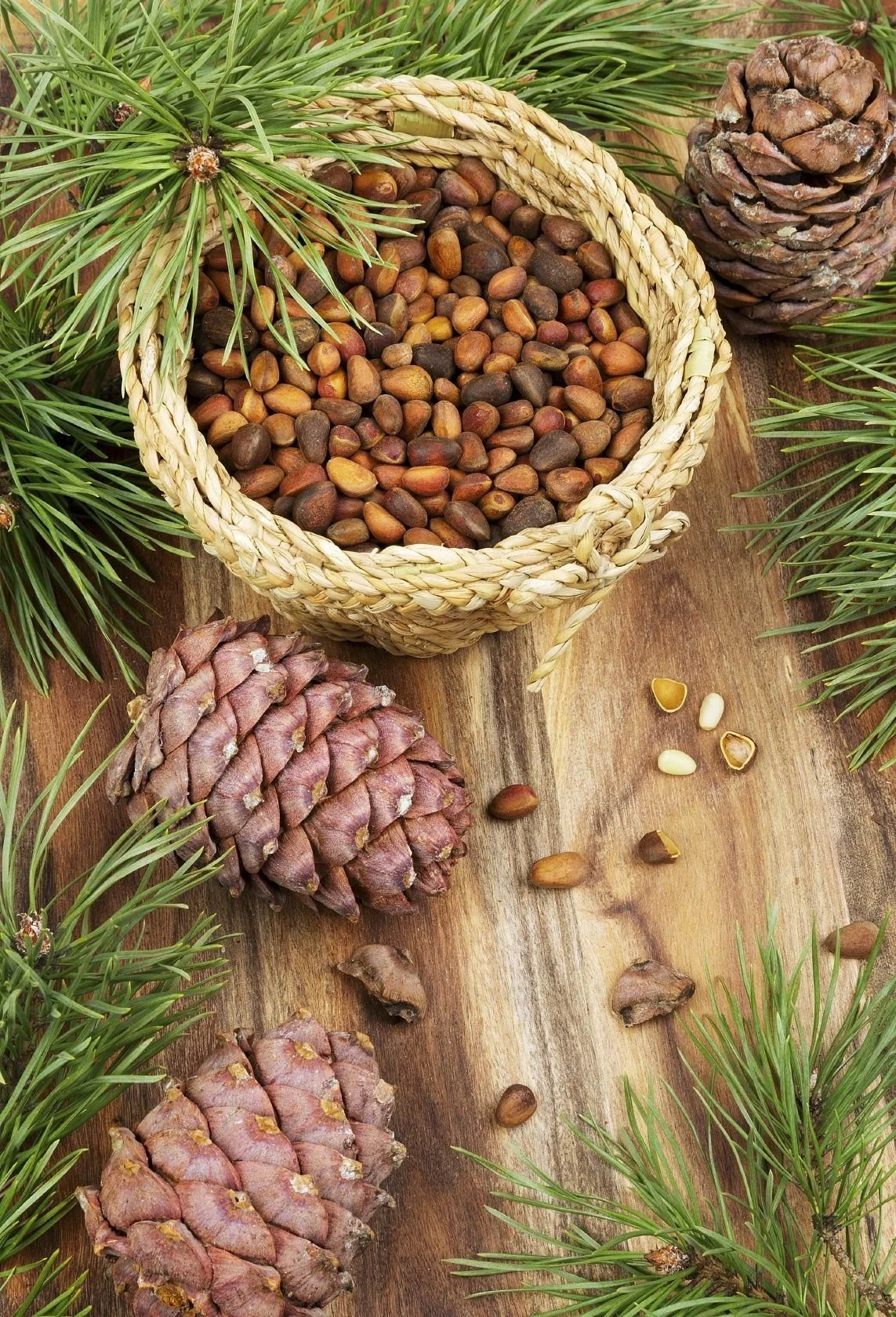

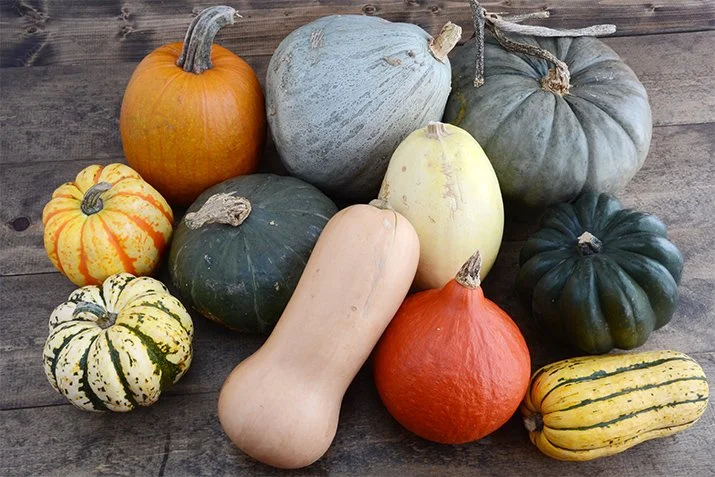
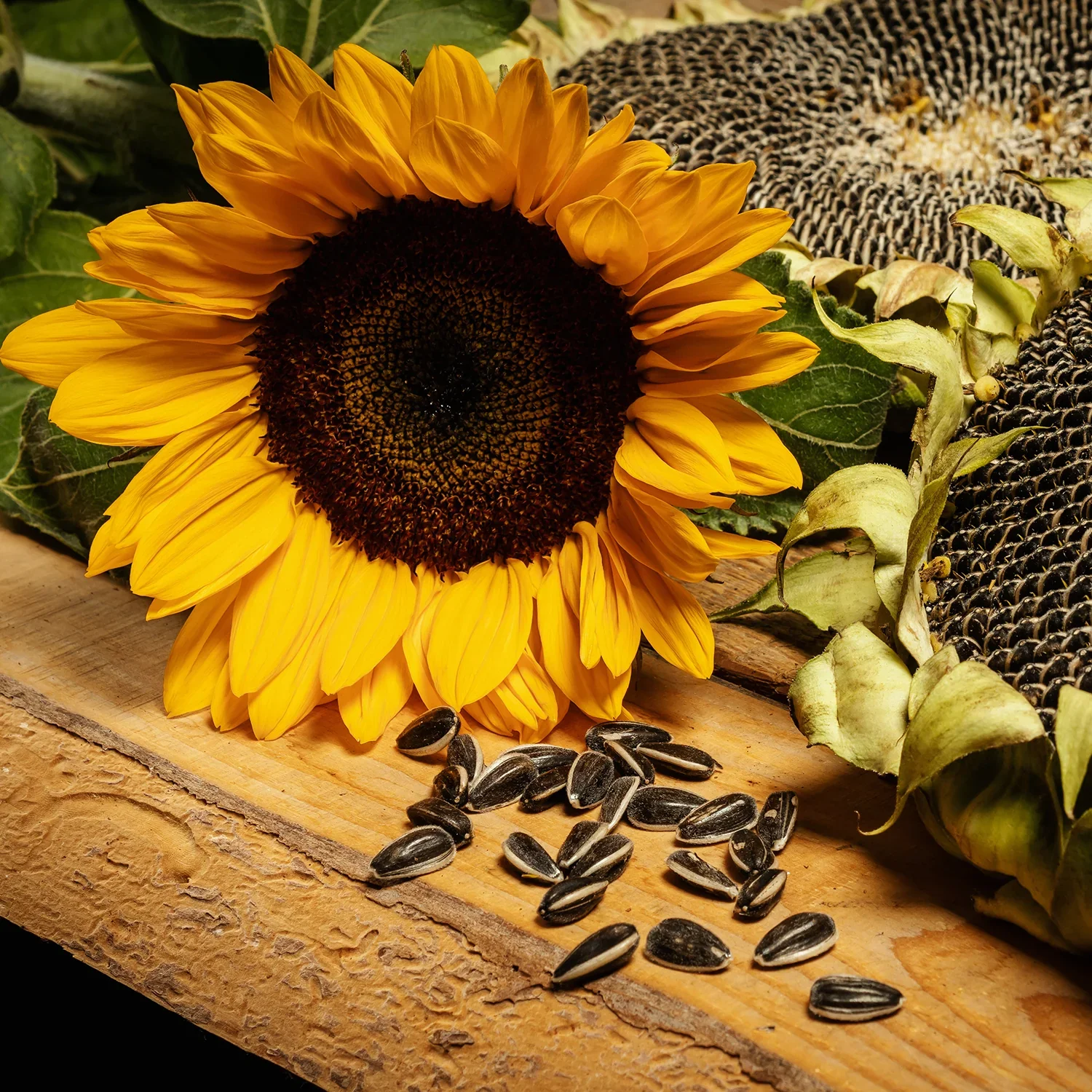
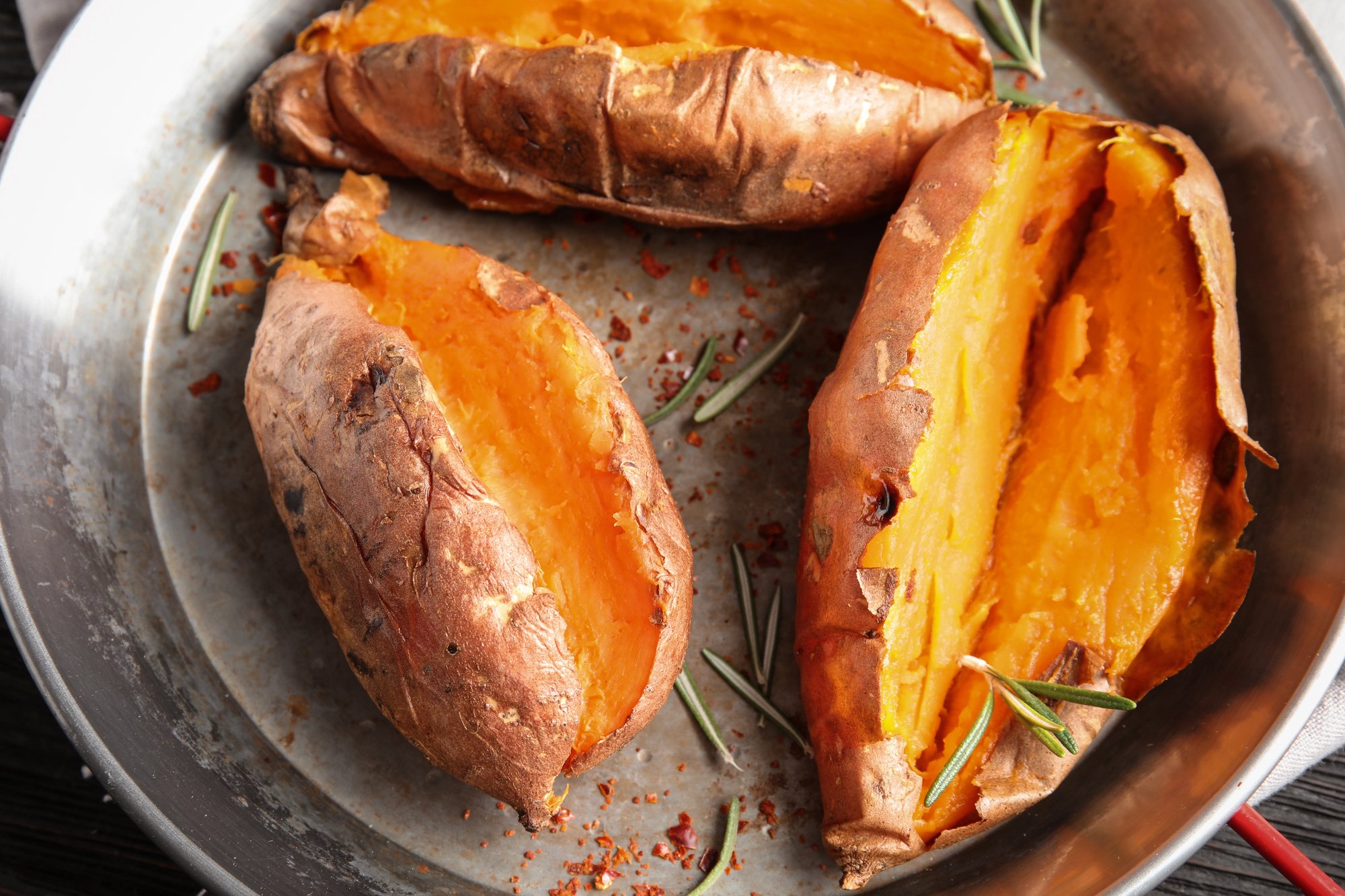
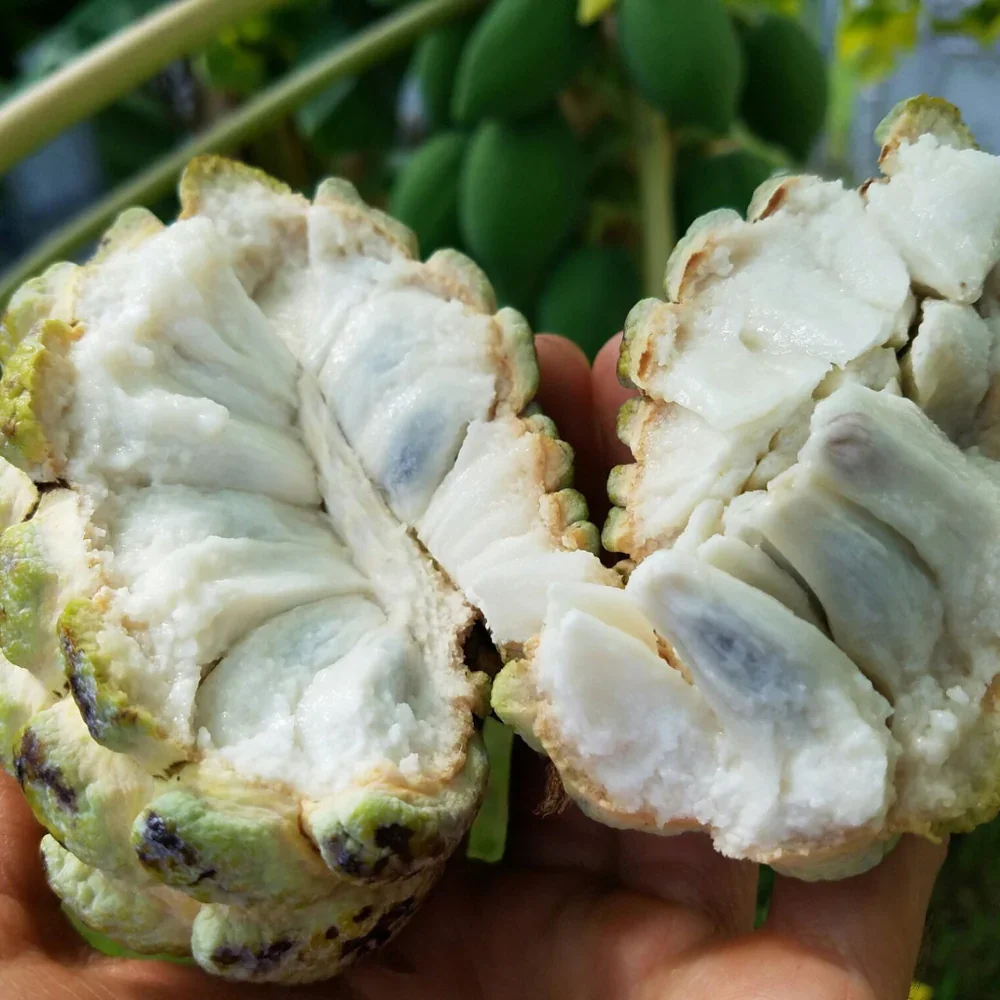
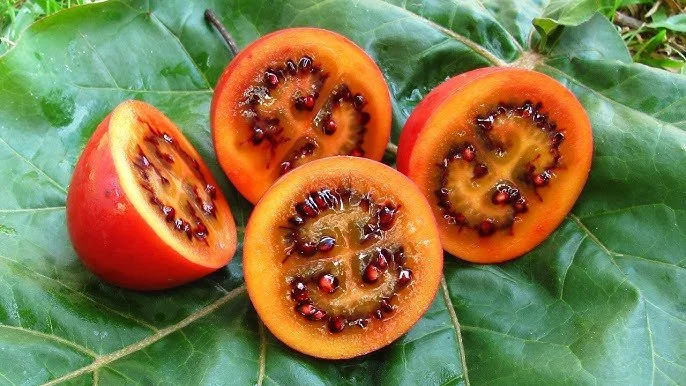
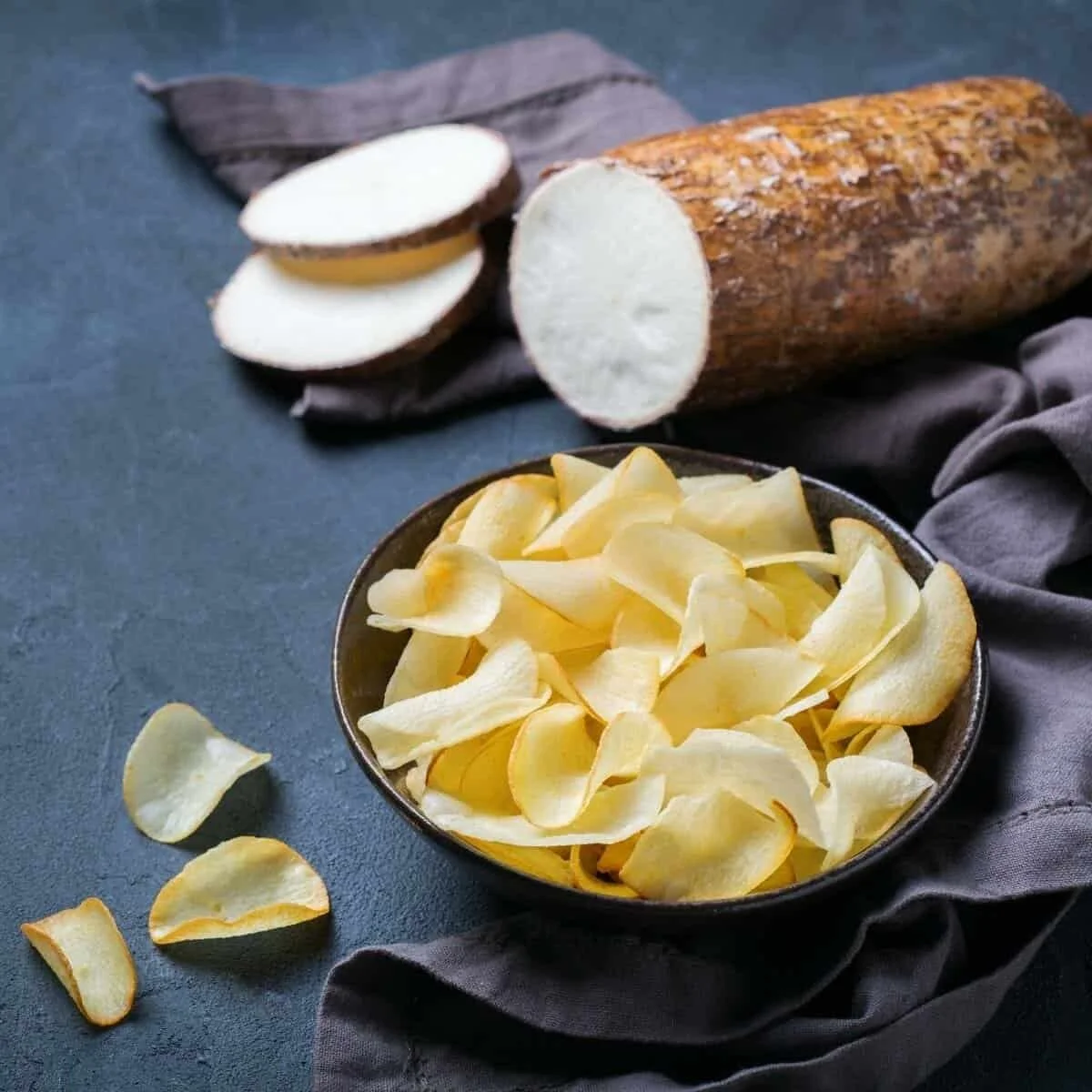
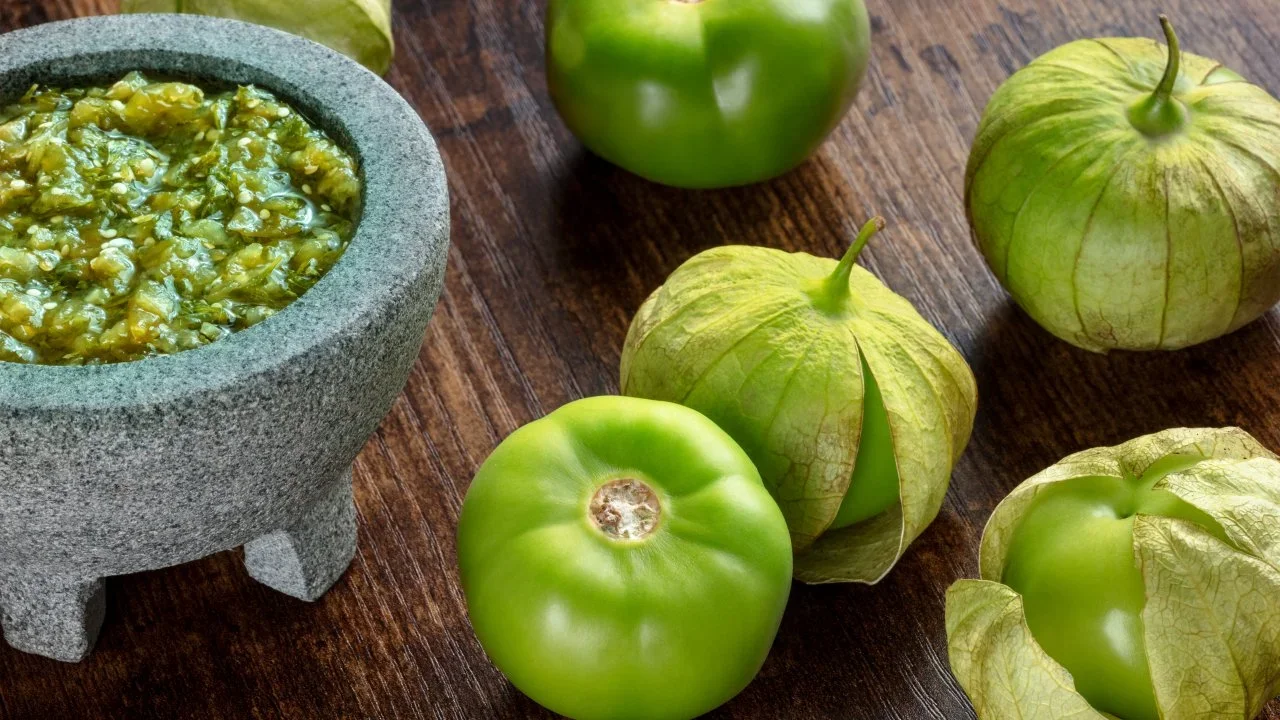
Information courtesy of an article by Melissa Kruse-Peeples of Native Seeds Search
